Crimson Publishers High Impact Journals

Friday, January 21, 2022

Acrylamide Induced Toxicity in Seminal Vesicles and its Amelioration by Vitamin E Supplementation: A Histological Study_Crimson Publishers

 Acrylamide Induced Toxicity in Seminal Vesicles and its Amelioration by Vitamin E Supplementation: A Histological Study by Nisreen A Rajeh in Developments in Clinical & Medical Pathology_journal of medical & surgical pathology impact factor


Abstract

Acrylamide (ACR) is an odorless, water soluble vinyl monomer which exhibits several toxicological properties that affects almost all the major organ systems of human body. Reproductive toxicity due to ACR seems to be more pronounced in males than females. To elucidate the effect of ACR on reproductive system in males we designed the current study investigating the histopathological changes in seminal vesicles of male Wister rats. We also explored the ameliorative potential of vitamin E on toxicity induced by ACR in seminal vesicles. The experimental rats were divided into four groups. Group I served as control, Group II were treated with ACR, Group III with ACR+ vitamin E and Group IV was treated with only vitamin E. Our results clearly depicted noticeable changes in the histology of seminal vesicle of rats i.e., disorganization of mucosal folds with desquamation, necrosis of covering epithelium, cracked luminal secretions, loss of compactness of muscle layer and atrophied muscles. These changes were constructively reversed in Group III which was supplemented with vitamin E while ACR was also present. Distinguishable changes were observed in this group as evident by preservation of mucosal fold architecture and columnar covering epithelium of seminal vesicle. The muscle layer showed potential improvement in some rats but did not completely return to its normal compact appearance in others. Thus, our study elucidated the deleterious effect of ACR on seminal vesicles for which vitamin E acted as an ameliorative agent.

Introduction

Acrylamide (ACR) is a potent toxicant that is primarily released during industrial processes of polymer manufacturing due to hydration of acrylonitrile [1]. Another major source of ACR toxicity is its generation in some carbohydrate rich foods such as potatoes, breads and cookies that are cooked at high temperatures (120 ℃ or above) [2,3]. When these foods are subjected to extreme heat, a reaction between amino acids such as asparagine and reducing sugars such as glucose/fructose present in these foods occurs which causes the release of ACR (Maillard reaction) [3,4]. Whether being a dietary or occupational exposure, ACR is known to inflict serious toxicological effects in human body. Various studies in animal models have been conducted to mark the potential toxicological effects of ACR. ACR is profoundly reported to cause neurotoxicity, nephrotoxicity, carcinogenicity, genotoxicity, developmental anomalies, and reproductive defects [5-7]. The Scientific Committee on Toxicity, Ecotoxicity and the Environment (SCTEE) reports ACR to exhibit genotoxic effects in germ cells as well as in reproductive system of males as well as females [8]. Studies regarding reproductive toxicity of ACR have elucidated many histopathological changes in various organs and components of the reproductive system, especially in males. Some of the well observed anomalies caused by ACR in male reproductive system include testicular epithelial tissue degeneration, decrease in epididymal sperm reserves, histopathological lesions in testes, decrease in sperm count and motility and abnormalities in sperm morphology [5,9]. Even though numerous studies have pointed towards a deleterious effect of ACR on sperm production and morphology, none of them have explored the effect of direct ACR exposure on seminal vesicles [10,11]. Seminal vesicles are the glands that are partly responsible for production of the seminal fluid which provides a thriving environment to the sperms. The underlying cause of toxicological alterations by ACR is the generation of oxidative stress that leads to changes of some major macromolecules such as proteins and DNA. However, further mechanisms that alter the functioning of reproductive system on exposure to ACR need to be investigated. Experimental studies in rats have shown that once ACR enters the body, it generates glycidamide, which is a more harmful metabolite than ACR itself [12]. This reaction is mediated by enzyme cytochrome P450 E1 (CYP2E1) [13]. Glycidamide is known to have a high potential for causing DNA as well as protein damage as compared to the unmetabolized ACR [14]. In the process of generation of glycidamide by CYP450 E1 from ACR, many free radicals are also released that consequently lead to a build-up of oxidative stress, causing lipid peroxidation and alterations in essential proteins required for normal metabolism and functioning of a cell [15].
Thus, considering the capability of ACR to generate oxidative stress, antioxidant compounds such as Vitamin E (alphatocopherol), could be explored as a potential ameliorative agent against ACR induced toxicity. Vitamin E or alpha-tocopherol is a type of fat-soluble vitamin found frequently in the cell membranes. It exhibits strong antioxidant properties which inhibit lipid peroxidation produced by the free superoxide and hydroxyl radicals [15]. Many studies have revealed the protective role of vitamin E in sperm cell against the damages of Reactive Oxygen Species (ROS) along with improvement in sperm motility as well as reproductive function [16,17]. As ACR is known to induce reproductive toxicity by affecting sperm morphology, motility or sperm count, we try to explore the cause of this alteration by conducting a histopathologic study of seminal vesicles on being exposed to ACR, since these glands play a major role in maintenance of sperm health. Following this we investigate vitamin E as a potential attenuating agent of ACR induced toxicity in seminal vesicles. To the best of our knowledge, this is the first study that directly investigates the effect of ACR on seminal vesicles and its amelioration by vitamin E.

Materials and Methodss

Materials

The plus one acrylamide (PAGE) grade of ˃99.95 purity was procured from Pharmacia Biotech (Upsala, Swedan). Vitamin E (DL-α-tocopherol Acetate) was procured from Sigma-Aldrich (Steinheim-Germany). All other materials and chemicals used in the study of molecular biology grade were procured from BHD laboratory supplies (Analar®, England).

Animals and Treatment: Forty-nine adult male Wister rats were purchased from King Fahad Medical Research Centre (KFMRC), Jeddah, Kingdom of Saudi Arabia (KSA). All animal care procedure and treatments were carried out at KFMRC. On arrival these rats were 60 days old and weighed 250±20 g. Four rats were housed per polypropylene cage with bedding made of wood shavings. The environment around the rats was controlled throughout the experiment as relative humidity of 40-65%, temperature 22±2 °C and 12 hours/12 hours light/dark cycles. The rats were provided with adequate amount of tap water and were fed laboratory chow. The animals and study design were approved by the Unit of Biomedical Ethics, King Abdulaziz University (KAU), Medical College, Jeddah, KSA. The guidelines laid by KAU follow the national and international laws and policies (National Institutes of Health Guiding Principles on the Care and Use of Laboratory Animals, USA). The experimental rats were left to adapt to the environment for 3 days before initializing the dosing. The rats were clustered into four groups (n=7). Group I was of normal control rats which were provided with tapped water and laboratory chow during the complete experimental period. Using orogasteric needle, Group II rats were treated with only acrylamide (45mg/kg bw/day) by oral gavage which was selected as effective dose for inducing ACR toxicity in our other studies as well [10]. Group III rats were administered with both acrylamide + vitamin E (200mg/kg bw/ day). Group IV was the drug control group for vitamin E treatment where the rats were given vitamin E alone (200mg/kg bw/day). This experiment was performed for 5 consecutive days. All rats were checked and weighed daily for any abnormal behavior or sudden death in experiment and recovery period. After a recovery period of 1-day post cessation of ACR the rats were sacrificed by cervical dislocation and both seminal vesicles were isolated for further experimental assessment.

Histopathology

Tissue preparation and histopathological examination: The section of seminal vesicle of all rats were isolated and fixed immediately by 10 % natural buffered formalin for 24 hrs. Tissues were then processed using automatic tissue processor (Shandon, England) by using standard laboratory procedures for histology. Tissues were briefly embedded in paraffin blocks, sectioned, and then stained with Hematoxylin and eosin stain (H&E). Tissues were examined for any histological changes using light microscopy (Olympus BX51TF) at 10X, 20X, 40X magnification and representative images were captured with Olympus DP 72 camera.

General observation: The Group II experimental rats that were treated with only acrylamide had a rough coat and showed signs of aggression and rough coat. The intake of food and water was also apparently reduced. Improved food and water intake were noticed in Group III which received a combined treatment of acrylamide with vitamin E. A normal food and water intake were also observed in Group IV rats who received only vitamin E. Throughout the experimental period, no symptoms of illness or mortality were observed in any of the groups (control as well as experimental).

Histopathology of seminal vesicle sections of control group and drug-control groups (Vit E alone): The control group which was fed only with laboratory chow and tap water during the experiment showed normal layers of seminal vesicle tissue, intact mucosal folds covered by columnar epithelium having highly basophilic and compact smooth muscle layers. The secretion within the lumen was observed to be homogenous and highly acidophilic (Figure 1a). Similarly, in the group treated with vit E alone, intact mucosal layers with normal epithelium could be seen. The muscular layers of these seminal vesicles were also observed to be well organized.

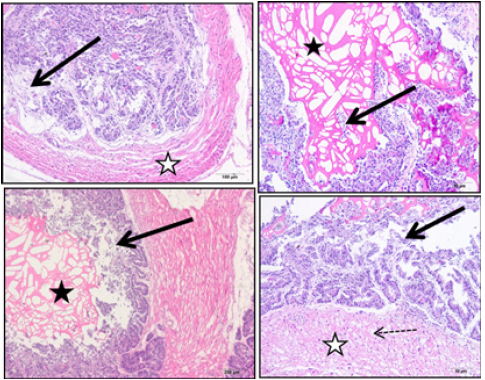
Effects of acrylamide on seminal vesicle (Group II) The Group II rats that were treated only with acrylamide showed visible changes in histopathological sections of seminal vesicle of experimental rats. Marked disorganization of mucosal folds with desquamation and necrosis of covering epithelium could be observed in different regions of seminal vesicle, the luminal secretions were noticed to be cracked. The examined muscle layer showed a loss of its compact structure, being atrophied, and appeared widely separated (Figure 2).

Figure 1:(a) The control group showing section of seminal vesicle stained with H and E stain. Black arrows indicate intact mucosal folds. Presence of highly basophilic columnar epithelium (dotted arrows). White stars indicate compact smooth muscle layers and black star indicates homogenous and highly acidophilic lumen secretion. (b) Group IV treated with vitamin E alone showing section of seminal vesicle stained with H and E stain. Low (x100x200) and high (x400) magnification photographs of rat seminal vesicle of Vitamin E group. White arrows indicate intact mucosal layers, ML indicates muscle layers and black arrows represent the lining epithelium.


Figure 2:Group II treated with acrylamide showing section of seminal vesicle stained with H and E stain. Black arrows indicate disorganized mucosal folds with necrosis and desquamation of covering epithelium. Black stars indicate cracked luminal secretions. White star indicates widely separated and atrophied muscle layer with lose compact structure.

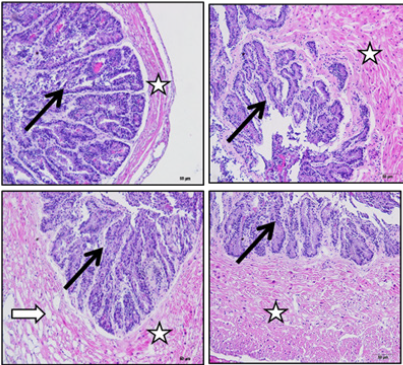
Effects of acrylamide + vitamin E on seminal vesicle (Group III): The Group III rats that were treated with acrylamide + vitamin E showed visible changes in sections of seminal vesicle of experimental rats. The results showed evident preservation of mucosal fold architecture and the covering columnar epithelium of seminal vesicle. The muscle layer showed potential improvement in some rats as compared to the rats receiving only ACR. However, on the other hand, the muscle layer of a few rats did not completely return to its normal compact appearance (Figure 3).

Figure 3: Group III treated with acrylamide + vitamin E showing section of seminal vesicle stained with H and E stain. Black arrows indicate preservation of mucosal fold architecture, columnar covering epithelium. White stars indicate potential improvement in muscle layer in some experimental rats. White arrow indicates incomplete return of muscle layer to its normal compact appearance in some experimental rats.

Discussion

Acrylamide (ACR) is an infamous toxicant known to have negative implications on most of the organ systems of a human body. It has been reported to act as neurotoxicant, reproductive toxicant and carcinogen in animal models. Monomeric ACR has been shown to cause cellular damage in both nervous and reproductive systems and tumors in specific hormonally responsive tissues [18]. Reproductive toxicity caused by ACR has been a subject of research dating long back. Reproductive toxicity due to ACR is found to have many serious implications, especially in males, primarily affecting the motility, count, and morphology of sperms [19]. However, the exact mechanism leading to this phenomenon still needs to be identified. Thus, this study aims at investigating the toxicity of ACR in seminal vesicles and the role of vitamin E in its mitigation. The present study revealed that rats treated with 45mg/kg bw/day of ACR for 5 consecutive days became aggressive and developed rough coat. Consequently, their food and water intake decreased. A similar behavior has been reported in our previous studies as well [7,12]. This study clearly shows that ACR causes reproductive toxicity that affects seminal vesicles as evident by visible changes in the vesicular sections of experimental rats. The histological examination of the covering epithelium showed marked disorganization of mucosal folds with desquamation and necrosis, even the muscle layer lost its compactness and showed signs of atrophy. Many studies have been conducted previously to investigate the effect of ACR on male reproductive system in rats, however, none of them have focused on the seminal vesicles [20-23]. A study by Al-Karim et al., showed that ACR in low dose can produce structural changes in reproductive system of both female and male rats. They reported damage of germ cell layers and DNA, histological changes leading to sperm deformity as well as a decrease in seminiferous tubules of male rats on exposure to ACR. Since the histological changes were found in many other reproductive organs as well, this could be correlated with our findings [24]. Similar findings were also reported where a damage at histological and ultrastructural level was observed because of ACR induced toxicity in testis of the rats in the form of degeneration of the tissue and arrested spermatogenesis. Decreased diameter of seminiferous tubules and decreased epithelial height were also reported, however, these changes were improved by vitamin E treatment [25].
The present study also revealed that the rats treated with both ACR and vitamin E for 5 consecutive days showed noticeable changes in their seminal vesicles as well. However, there was a pronounced restoration of mucosal fold architecture, covering columnar epithelium of seminal vesicles and muscle layer in contrary to the ones treated with ACR only. The rats of this experimental group (ACR + vit E) also showed improved food and water intake. These findings correlate with the results of the study carried out by Erdemli et al. They reported that damages indicated by histo-morphological changes in reproductive organs of rats were less when ACR was administered in combination with vitamin E as compared to when ACR was administered alone thus, signifying the healing effect of vitamin E. Their observations included the restoration of seminiferous tubules organization, initiating maturation of germ layer and decline of interstitial oedema [26]. Thus, histopathological examination of seminal vesicles in our study clearly demonstrated that exposure of rats to ACR has significant adverse effects on their reproductive system, however, these undesirable changes could be ameliorated by administration of vitamin E. This damage by could be attributed to the oxidative stress generated by ACR along with an imbalance in oxidant/ antioxidant ratio, generation of glycidamide, shift towards oxidants and lipid peroxidation [26]. Vitamin E is known to be a potent antioxidant that protects against oxidative stress by inhibiting propagation of ROS reactions and lipid peroxidation, which could be one of the reasons that it showed a significant protective effect against ACR toxicity on seminal vesicles in our study as well. Our observations fall in line with this underlying principle as well as with other studies reporting that ACR induced harmful effects on male reproductive organs have been considerably improved by use of vitamin E [27,28]. Numerous studies have reported the protective effect of vitamin E against ACR induced toxicity in various /other organs such as kidneys, brain, testis, skeletal muscles etc (26, 30- 32). In addition to this, research has suggested that using vitamin E in rats exposed to toxins such as ACR may cause a reversal of the atrophies [7,24]. To the best of our knowledge, this is the first study that marks ACR as a potent toxin affecting seminal vesicles of rats with vitamin E acting as an ameliorative agent of such toxicity. In conclusion, this study states that reproductive toxicity due to ACR is well pronounced in seminal vesicles accompanied by many histopathological changes. These histopathological changes could be constructively reversed by vitamin E supplementation in most of the cases with just a few exceptions. Thus, vitamin E proved to be an effective ameliorative agent which can protect seminal vesicles from the deleterious effects of ACR toxicity. Further studies need to be carried out on a larger sample size investigating the mechanisms of ACR toxicity and its amelioration by vitamin E on a molecular level so that it could pave a way for utilization of vitamin E as a protective drug against ACR induced toxicity.

Acknowledgement

I highly appreciate the kind help of Professor Soaad Shaker for conducting histopathological studies and helping me in reading and examination of slides.

References

  1. Mottram DS, Wedzicha BL, Dodson AT (2002) Acrylamide is formed in the Maillard reaction. Nature 419(6906): 448-449.
  2. Friedman M (2003) Chemistry, biochemistry, and safety of acrylamide a review. J Agric Food Chem 51(16): 4504‐4526.
  3. Lineback DR, Coughlin JR, Stadler RH (2012) Acrylamide in foods: a review of the science and future considerations. Annual Review of Food Science and Technology 10(3): 15-35.
  4. Knol JJ, Linssen JPH, Van Boekel MAJS (2010) Unravelling the kinetics of the formation of acrylamide in the Maillard reaction of fructose and asparagine by multiresponse modelling. Food Chemistry 120(4): 1047-1057.
  5. Wang H, Huang P, Lie T, Li J, Hutz RJ, et al. (2010) Reproductive toxicity of acrylamide-treated male rats. Reproductive Toxicology 29(2): 225-230.
  6. Exon JH (2006) A review of the toxicology of acrylamide. Journal of Toxicology and Environmental Health 9(5): 397-412.
  7. Rajeh NA, Dhaheri NM (2017) Antioxidant effect of vitamin E and 5-aminosalicylic acid on acrylamide induced kidney injury in rats. Saudi Med J 38(2): 132‐137.
  8. Shipp A, Lawrence G, Gentry R, Macdonal T, Bartow H, et al. (2006) Acrylamide: review of toxicity data and dose response analysis for cancer and non-cancer effects. Crit Rev Toxicol 36: 481-608.
  9. Ma Y, Shi J, Zheng M, Liu J, Tian S, et al. (2011) Toxicological effects of acrylamide on the reproductive system of weaning male rats. Toxicol Ind Health 27(7): 617‐627.
  10. Yue D, Yan L, Luo H, Xu X, Jin X (2010) Effect of Vitamin E supplementation on semen quality and the testicular cell membranal and mitochondrial antioxidant abilities in Aohan fine-wool sheep. Anim Reprod Sci 118: 217-222.
  11. Ghanayem BI, Witt KL, El Hadri L, Hoffler U, Kissling GE, et al. (2005) Comparison of germ cell mutagenicity in male CYP2E1-null and wild-type mice treated with acrylamide: evidence supporting a glycidamide-mediated effect. Biol Reprod 72: 157-163.
  12. Rajeh N, Ali H, ElAssouli S (2014) Protective effects of 5-aminosalicylic acid on acrylamide toxicity in the testis and blood leukocytes of the rat. Kuwait Med J 46(1): 32-43.
  13. Ghorbel I, Maktouf S, Kallel C, Ellouze Chaabouni S, et al. (2015) Disruption of erythrocyte antioxidant defense system, hematological parameters, indication of proinflammatory cytokines and DNA damage in liver of coexposed rats to aluminum and acrylamide. Chem Biol Intundereract 236: 31e40.
  14. Besaratinia A, Pfeifer GP (2007) A review of mechanisms of acrylamide carcinogenicity. Carcinogenesis 28: 519-528.
  15. Yousef MI, Demerdash FM (2006) Acrylamide induced oxidative stress and biochemical perturbations in rats. Toxicology 219(1e3): 133e141.
  16. Zubair M (2017) Effects of dietary vitamin E on male reproductive system. Asian Pacific Journal of Reproduction 6(4): 145.
  17. Hsu PC, Liu MY, Hsu CC, Chen LY, Guo YL (1998) Effects of vitamin E and/or C on reactive oxygen species related lead toxicity in the rat sperm. Toxicology 128(3): 169-179.
  18. Rajeh NA, Bainmahfuz FR, Alamri SM, Khan DM, Alhindi AF (2017) Protective Role of 5-Aminosalicylic acid and Vitamin-E against the acrylamide induced neurotoxicity in Rats. Am J Pharm Health Res 5(4).
  19. Rahangadale S, Jangir BL, Patil M (2012) Evaluation of protective effect of vitamin e on acrylamide induced testicular toxicity in wister rats. Toxicol 19(2): 158‐161.
  20. Yuxin Ma, Jing Shi, Meige Zheng, Jing Liu, Sumin Tian, et al. (2011) Toxicological effects of acrylamide on the reproductive system of weaning male rats. Toxicol Ind Health 27(7): 617-627.
  21. Wang H, Ge JY, Zhou ZQ, Wang ZC, Shi FX (2007) Oral acrylamide affects the development and reproductive performance of male rats. Zhonghua Nan Ke Xue 13(6): 492-497.
  22. Manokaran K, Saleena UV, Karthik G, Kamath K, Yekula PK, et al. (2018) Effect of acrylamide on reproductive organs of adult male wister rats. J Clin Diag Res 12(11): EF01-EF05.
  23. Tyl RW, Marr MC, Myers CB, Ross WP, Friedman MA (2000) Relationship between acrylamide reproductive and neurotoxicity in male rats. Reprod Toxicol 14: 147-57.
  24. ALKarim S, ElAssouli S, Ali S, Ayuob N, ElAssouli Z (2015) Effects of low dose acrylamide on the rat reproductive organs structure, fertility and gene integrity. Asian Pacific Journal of Reproduction 4(3): 179-187.
  25. Hasanin NA, Sayed NM, Ghoneim FM, Sherief SA (2018) Histological and ultrastructure study of the testes of acrylamide exposed adult male albino rat and evaluation of the possible protective effect of Vitamin E intake. Journal of Microscopy and Ultrastructure 6(1): 23.
  26. Erdemli Z, Erdemli ME, Turkoz Y, Gul M, Yigitcan B, et al. (2019) The effects of acrylamide and Vitamin E administration during pregnancy on adult rats’ testis. Andrologia e13292.
  27. Makker K, Agarwal A, Sharma R (2009) Oxidative stress & male infertility. Indian J Med Res 129: 357-367.
  28. Momeni H, Soleimani Mehranjani M, Abnosi M, Mahmoodi M (2009) Effects of vitamin E on sperm parameters and reproductive hormones in developing rats treated with para-nonylphen ol. Iran J Reprod Med 7: 111-116.
  29. Ghanayem BI, Witt KL, Kissling GE, Tice RR, Recio L (2005) Absence of acrylamide induced genotoxicity in CYP2E1-null mice: evidence consistent with a glycidamide-mediated effect. Mutat Res 578: 284-297.
  30. Erdemli ME, Turkoz Y, Altinoz E, Elibol E, Dogan Z (2016) Investigation of the effects of acrylamide applied during pregnancy on fetal brain development in rats and protective role of the vitamin E. Hum Exp Toxicol 35(12): 1337-1344.
  31. Rasha H, Fatma MG (2015) The impact of vitamin E against acrylamide induced toxicity on skeletal muscles of adult male albino rat tongue: Light and electron microscopic study. Journal of Microscopy and Ultrastructure 3(3): 137-147.
  32. Mehmet EE, Zeynep A, Mehmet G, Birgul Y, Harika G, et al. (2018) The effects of acrylamide and vitamin E on kidneys in pregnancy: an experimental study. The Journal of Maternal-Fetal & Neonatal Medicine 32(22): 3747-3756.

For more articles in journal of medical & surgical pathology impact factor
Please click on below link: https://crimsonpublishers.com/dcmp/

Thursday, January 20, 2022

Application of protective coatings to the surface of channels of medical instruments_Crimson Publishers

 Application of protective coatings to the surface of channels of medical instruments by Vladislav Smolentsev in Determinations in Nanomedicine & Nanotechnology_Journal of Nanoscience and Nanomedicine


Abstract

The paper discusses the features of the manufacture of small cross-section channels with high geometric accuracy, characteristic of the nozzles for the supply of gaseous, liquid and mixed media. In transport equipment, thermal power systems are widely used nozzles with one or more channels of supply of working media, the diameter of which is measured in fractions of a millimeter. In the process of manufacturing such products requires the removal or build-up of small (within one or more microns) layers in separate holes for the supply of working media, which allows you to align the flow of liquid through all holes, to provide the required flow rate and spray the combustion products supplied, for example, for rocket engines, where up to 200 nozzles can work simultaneously gorenjes. A new method of coating the inner surface of the holes of any section using a combined treatment with simultaneous action of the electric field and the radial pressure of a given value is proposed. The calculation of parametroa of the tool and technological conditions, which ensures high accuracy of the flow path of the injector and the resistance of the coating when applying aggressive flammable fluids

Introduction

Build-up of quality layers in holes with a diameter of less than 2-3mm causes serious difficulties. Used electroplating processes do not always ensure the accuracy and quality of the applied layer, especially in openings with a cross section less than 1mm2, and optionally, the coatings of the nanoscale. The studies carried out in recent years have made it possible to develop a new method [1] for controlled application of discrete coatings with a layer thickness of less than 0.1μm and a quality that meets the requirements of technologists when debugging the flow path of nozzles [2] for the flow and spray of working media.

The mechanism of deposition of nanolayers by galvanotechnics processing

In traditional galvanic coating it is difficult to provide compressive stresses in the surface layer, which reduces their adhesion and can cause the surface layer to crumble in the hole. This is not allowed in the case of fine-tuning and calibration of injectors, as the ingress of even microparticles in the flow of small cross-section channels can cause a violation of the supply of the working environment and, for example, the failure of aircraft engines. In [3], a method for producing high-quality nanolayers with a thickness of less than 0.1μm, the number of which can reach several thousand, is proposed. At the same time, high adhesion of the layers, the absence of microcracks, which is especially important when pumping through the channels of aggressive media (for example, acids), liquid gases with high oxidative activity (for example, oxygen), causing corrosion of the inner surface of the hole under the coating layer and the destruction of the nozzles. A feature of the Galvano mechanical method [1] is the need for rolling or rubbing a thin layer of coating with a tool made of a solid material (for example, from ceramics) with an adjustable clamping force, which allows even before the formation of the granular structure of the coating (with galvanic deposition, a large [3] to a fraction of a millimeter, grain) to create compressive stresses in the nanolayer and prevent the latter from crumbling.

Quality assurance of nano-coating

Studies conducted on an electron microscope and x-ray diffraction method showed that due to mechanical action of a solid tool can be obtained coating structure close to the metal glass, although [3] indicates that there is a microcrystalline structure of the material with a grain of up to 1.5 microns, which is up to 100 times less than the precipitation obtained by electroplating. Even taking into account the possibility of the appearance after Galvano mechanical coating of fine grain, the tightness of the coatings ensures the absence of leaks through it until the pressure drop is more than 25MPa (test duration is 3 minutes) [3]. The surface roughness of the coating is achieved Ra=0.18-0.2μm, which is one of the main indicators of the high quality of the flow path of the nozzles operating at high flow rates and pressure drops of the pumped medium up to 20-25MPa.

The unevenness of the coating layers does not exceed 2-3% of the thickness, although this implies a high accuracy of the original channel profile, the achievement of which, as a rule, requires large costs. An interesting solution for Galvano mechanical chromium plating was obtained in [1,4], where the previously known fact of a sharp increase in the rate of chromium deposition with a decrease in the contact pressure of lapping (10 or more times) was used. However, the intensification of the process causes a significant reduction in the quality of the coating (continuity, microhardness, etc.). According to the method [1,5], it was possible to apply layers of variable thickness, filling areas with a large allowance, after which, at the recommended contact pressure, a quality layer was obtained that provides operational requirements for the product. The method [1] can be useful to restore the geometry of the channels in local violations of their geometric dimensions and to obtain high-quality flow paths, even if it is necessary to apply coatings of micro-thickness.

Processing modes and technological parameters

As a result of the studies conducted in [4] obtained the technological modes of application of nano-coating applied to galvanotechnics chrome:

A. Current density, kA/m2: 10-15.

B. Electrolyte Cr2O3: 250g/l; H2SO4: 2.5g/l.

C. The temperature of the electrolyte, To: 330-340 0C.

D. Contact pressure, MPa: 1-2.

E. Thickness of the applied quality layer in one pass of the tool, μm: 0.2-1.0.

Technological parameters of Galvano-mechanical chrome plating of internal surfaces are studied and their quantitative assessment is received: -performance (chromium deposition rate)- 1-5μm/min; -surface roughness, Ra - 0,018-0,63μm; -accuracy of coating thickness (with coating thickness of 445μm) and 2.5μm; the microhardness of coating is up to 11530MPa; -residual compressive stress-100-300MPa;-high adhesion;-tightness-provided (dense non-porous coating); -maximum coating thickness -up to 800 microns; -increased wear resistance of contact pairs due to coating -1.9 -4.0 times; -flooding -within standard limits.

Technology of application of nano

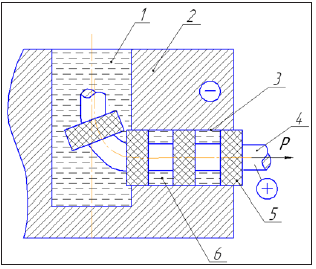
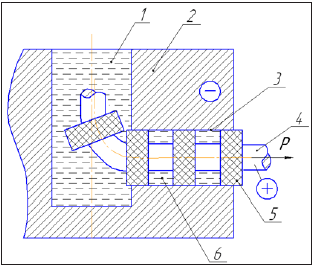
In [2] it is shown that the use of technological schemes given in [3,4] is not feasible for holes of small diameter (less than 6-8mm), as to move in the hole of the tool for rolling requires a space of more than 8-10mm. Therefore, a new scheme of Galvano mechanical coating is proposed (Figure 1).

The principal difference between the scheme shown in Figure 1, from the known is the combination in a single tool (electrodetool 2 in Figure 1) and the Dorn element (in the form of strips 3). In addition, the limited space between the tool (2) and the hole (1) requires dosing of the working medium 4; the small cross-section of the tool (2) leads to the need to limit the force (P) to the tensile strength of the tool-wire. To ensure the required contact pressure of the mandrel belts (3) with the coating (5), the cross section of the belts is reduced in the direction opposite to the movement of the tool by the coating value.

Figure 1: Scheme of application of nanocoating’s of small cross-section holes (on the example of the nozzle) 1. The main channel in the housing 2. Of the injectors. 3. Channel in the nozzle injector. 4. Electrode wire. 5. Carnousie dielectric belts. 6. Liquid working medium; R- the force of pulling the electrode wire.


Calculation of the electrode-tool

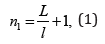
Calculation of the main parameters of the electrode–tool, shown in Figure 1, includes: estimation of the number (n1) simultaneously located in the hole of the Dorn belts

where L is the length of the hole; l is the step between adjacent belts (usually 1/2L).

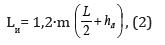
Given the need to move the tool along the hole, the number of supports in the form of doronuma belts 3 The length of the tool (Li) for processing the hole length L will be

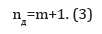
where-the width of the Dorn belt; 1,2-coefficient, taking into account the technological areas of the tool; m-the number of passes of the tool. The quantity (nд) Dornbush corbels on the tool

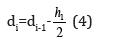
The diameter of the mandreling belts (di) is reduced along the length of the tool by the amount of the applied layer (h1/2) by half the length of the hole, while d1=d0 (d0 is the diameter of the hole before coating). Then

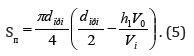
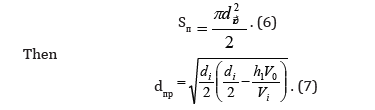
Tool diameter–wire (dпр) is calculated on the basis of the need for accommodation in the space (Vidt) between adjacent dornowski bands of electrolyte volume sufficient for performing a chemical reaction on the deposition of the desired layer thickness (h1/2) for the period of the promotion instrument for the length L/2 . Hence the section of wire Sп

where Vi is the volume content of metal in it (in this electrolytechromium) per unit of its volume (V0).

For the diameter of the wire tool D, find the area of its section

The value dпр are rounded to standard values dпс.

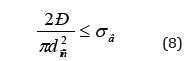
The condition of using the wire of the selected diameter is to maintain its tensile strength (σa) when pulling through the hole with a force P (Figure 1), which is calculated in the design of processing modes.

If the condition (8) is not met, then the value of h1 is reduced, thereby reducing the volume of a single coating, increasing the diameter of the wire. After finding the dps determine the interelectrode gap (S3)

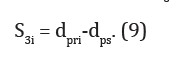
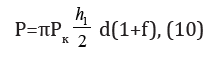
The value of S3i must be at least 0.02mm, otherwise short circuits may occur. Taking into account the parameters of the tool, the technological process of nanocoating is designed. The force P of the wire tool movement in the hole (Figure 1) is calculated by [5] and adjusted by the criterion (8)

where Pk - pin power ([3] PK = 1-2MPa); f - coefficient of friction, depending on the material of the belts and coating (selected by reference).

Conclusion

A. A method for obtaining high-quality nanocoating’s applied to the surface of small cross-section channels is proposed. The method combines electroplating of mechanical layers of nano tole with simultaneous mechanical rolling of the coating, which allows to achieve high accuracy of holes, adhesion, wear resistance.

B. Developed design tools for combined galvanomagnetic processing. This makes it possible to calibrate small-section holes, for example, in nozzles, by successive deposition of nanocoating’s and obtain high quality of each layer, which previously was not used for the small-section channel.

References

  1. Smith JM. Chemical engineering kinetics. Book Chemical Engineering Series 209: 74-99.
  2. James JC. Book chemical engineering series. University of Notre Dame, USA.
  3. Akbari MR, Ganji DD, Nimafar M, Ahmadi AR (2014) Significant progress in solution of nonlinear equations at displacement of structure and heat transfer extended surface by new AGM approach. Frontiers of Mechanical Engineering 9: 390-401.
  4. Rostami K, Akbari MR, Ganji DD, Heydari S (2014) Investigating Jeffery-Hamel flow with high magnetic field and nanoparticle by HPM and AGM. Cent Eur J Eng 4(4): 357-370.
  5. Akbari MR, Ganji DD, Majidian A, Ahmadi AR (2014) Solving nonlinear differential equations of vanderpol rayleigh and duffing by AGM. Frontiers of Mechanical Engineering 9: 177-190.
  6. Ganji DD, Akbari MR, Goltabar AR (2014) Dynamic vibration analysis for non-linear partial differential equation of the beam-columns with shear deformation and rotary inertia by AGM. Development and Applications of Oceanic Engineering (DAOE).
  7. Akbari MR, Ganji DD, Ahmadi AR, Sayyid HHK (2014) Analyzing the nonlinear vibrational wave differential equation for the simplified model of tower cranes by (AGM). Frontiers of Mechanical Engineering 9(1): 58-70.
  8. Akbari MR, Nimafar M, Ganji DD, Akbarzade MM (2014) Scrutiny of non-linear differential equations Euler Bernoulli beam with large rotational deviation by AGM. Frontiers of Mechanical Engineering 9: 402-408.

For more articles in Journal of Nanoscience and Nanomedicine
Please click on below link: https://crimsonpublishers.com/dnn/

Wednesday, January 19, 2022

Quantum Entaglement Entropy Produces Energy By Info-Entropy Fields Forces_Crimson Publishers

Quantum Entaglement Entropy Produces Energy By Info-Entropy Fields Forces by Robert Skopec in Integrative Journal of Conference Proceedings_The Open Conference Proceedings Journal


Abstract

Sometimes, if you want to understand how nature truly works, you need to break things down to the simplest levels imaginable. The macroscopic world is composed of particles that are-if you divide them until they can be divided no more-fundamental. They experience forces that are determined by the exchange of additional particles (or the curvature of spacetime, for gravity), and react to the presence of objects around them. At least, that’s how it seems. The closer two objects are, the greater the forces they exert on one another. If they’re too far away, the forces drop off to zero, just like your intuition tells you they should. This is called the principle of locality, and it holds true in almost every instance. But in quantum mechanics, it’s violated all the time. Locality may be nothing but a persistent illusion, and seeing through that facade may be just what physics needs.

Keywords: Quantum gravity, Principle of non-locality, Einstein’s general theory of relativity, Quantum entanglement entropy (QEE); Schrödinger’s cat; Superposition; Information about its entangled partner; Teleport information; Quantum physics as fundamentally a non-local theory

Introduction

Everybody knows holograms from credit cards or banknotes. They are two dimensional, but to us they appear three dimensional. Our Universe could behave quite similarly. In 1997, the physicist Juan Maldacena proposed the idea that there is a correspondence between gravitational theories in curved anti-de-sitter spaces on the one hand and quantum field theories in spaces with one fewer dimension on the other [1]. If quantum gravity in a flat space allows for holographic description by standard quantum theory, then there must be physical quantities, which can be calculated in both theories-and the results must agree. Especially one key feature of quantum mechanics-quantum entanglement-has to appear in the gravitational theory [2].

When quantum particles are entangled, they cannot be described individually. They form a single quantum object, even if they are located far apart. There is a measure for the amount of entanglement in quantum system, called „entropy of entanglement“. This entropy of entanglement takes the same value in flat quantum gravity and in a low dimension quantum field theory. This calculation affirms our assumption that the holographic principle can also be realized in flat spaces. I tis evidence for the validity of this correspondence in our Universe. The fact that we can even talk about quantum information and entropy of entanglement in a theory of gravity is astounding in itself, and would hardly have been imaginable only a few years back. Apparently there is growing evidence for the validity of the correspondence principle inour own Universe [3,4].

Spacetime is built from quantum entanglement

Now are published papers about a significant step toward unifying general relativity and quantum mechanics by explaining how spacetime emerges from quantum entanglement. However, understanding the precise mechanics for the emergence of three-dimensional volume from the two-dimensional surface has been not easy. Hirosi Ooguri, from the University of Tokyo, and Caltech mathematician Matilde Marcolli, argue that quantum entanglement is the key to solve this question [5,6]. Using a quantum theory(that does not include gravity), they showed how to compute energy density, which is a source of gravitational interactions in three dimensions, using quantum entanglement data on the surface. This is analogous to diagnosing conditions inside of your body by looking at X-ray images on two-dimensional sheets. This allowed to interpret universal properties of quantum entanglement as conditions on the energy density that should be satisied by any consistent quantum theory of gravity, without actually explicitly including gravity in the theory of Ooguri and Marcolli: that is quantum entanglement generates the extra dimensions of the gravitational theory [7,8].

It was known that quantum entanglement is related to deep issues in unification of general relativity and quantum mechanics, such as the black hole information paradox and the firewall paradox. This sheds new light on the relation between quantum entanglement and the microscopic structure of spacetime by explicit calculations. The interface between quantum gravity and information science is becoming increasingly important for both fields. I myself am collaborating with information scientists to pursue this line of research further [8,9].

Karma and quantum mechanics

Whether you’re into Eastern philosophy or Western scientific fact-finding, both disciplines strive to tackle the same goal: understanding how the universe works. For centuries, Buddhists have tackled this age-old question of the inner workings of the universe and have a wonderfully simplified approach to it—they call it the law of Karma [10]. Westerners, on the other hand, have created a relatively new field of scientific study called quantum mechanics, seeking to derive mathematical formulas to capture the universe at work.

Here’s the thing, they both agree on a fundamental: everything we do creates a corresponding energy that comes back to us in some form or another. Think of it this way: I hold a door for someone, and that someone passes along that action to someone else by holding the door for them [11].

How do i get what i want?

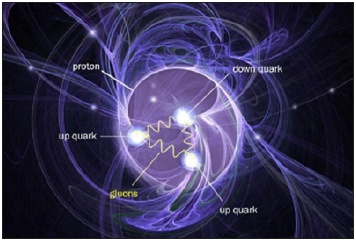
I’ll be the first to admit that I am no scientist, nor am I a Buddhist monk, but I’m fascinated by both disciplines and have spent some time studying them. If you embrace the fact that, from a scientific perspective, the energy you expend taking an action comes back to you or someone else, then you’ll get where I’m going with this article. Ask any Buddhist monk this question, “How do I get what I want?” They will respond, (very calmly and matter-of-factly) “Help someone else get the same thing.” The proton’s structure, modeled along with its attendant fields, show how even though it’s made out of point-like quarks and gluons, it has a finite, substantial size which arises from the interplay of the quantum forces and fields inside it. The proton, itself, is a composite, not fundamental, quantum particle. (Brookhaven national laboratory) A single thought experiment reveals a paradox. As part of Quantum Gravity theory, the Quantum Entanglement Entropy (QEE) is the solution (Figure 1).

Figure 1:


The bigger the challenge, the bigger the effort is required

The universe doesn’t immediately respond to your actions with good Karma. It can take time before the universe repays your intentional actions with more actions that help you progress toward your goal. Like a slingshot, the universe requires energy to be expended, such as pulling back a slingshot. You might find yourself generating days, if not weeks or months, of output before you see the effects of your efforts. Sometimes, the efforts come in a trickle, and other times, they can come in deluge [12]. The trick is to keep your focus on generating actions that help others in the direction you seek to go yourself.

Nothing takes the place of committed all-in action every day

One more thought: this topic that I’m introducing is barely the tip of the iceberg of the meta-physical dynamics of the universe in which we live. But the ideas are relevant to anyone seeking to turn a dream into reality. There are forces at work that can help or hinder your efforts. The more you put forth energies without expectation of personal gain, while helping others, the more you’ll be surprised at how the universe will open the door to the goal you seek to attain. Make no mistake, nothing takes the place of committed All-in action every day. Never, Ever, Give Up on your dreams, and soon you’ll discover that the universe will not give up on you [13,14]. Quantum gravity tries to combine Einstein’s general theory of relativity with quantum mechanics (Figure 2). Quantum corrections to classical gravity are visualized as loop diagrams, as the one shown here in white. We typically view objects that are close to one another as capable of exerting forces on one another, but that might be an illusion, too. (slac national accelerator lab) imagine that you had two objects located in close proximity to one another. They would attract or repel one another based on their charges and the distance between them. You might visualize this as one object generating a field that affects the other, or as two objects exchanging particles that impart either a push or a pull to one or both of them.

Figure 2:


You’d expect, of course, that there would be a speed limit to this interaction: the speed of light. Relativity gives you no other way out, since the speed at which the particles responsible for forces propagate is limited by the speed they can travel, which can never exceed the speed of light for any particle in the Universe. It seems so straightforward, and yet the Universe is full of surprises (Figure 3). An example of a light cone, the three-dimensional surface of all possible light rays arriving at and departing from a point in spacetime. The more you move through space, the less you move through time, and vice versa. Only things contained within your past light-cone can affect you today; only things contained within your future light-cone can be perceived by you in the future(wikimedia commons user missmj).

Figure 3:


We have this notion of cause-and-effect that’s been hard-wired into us by our experience with reality. Physicists call this causality, and it’s one of the rare physics ideas that actually conforms to our intuition. Every observer in the Universe, from its own perspective, has a set of events that exist in its past and in its future [15]. In relativity, these are events contained within either your past lightcone (for events that can causally affect you) or your future lightcone (for events that you can causally effect). Events that can be seen, perceived, or can otherwise have an effect on an observer are known as causally-connected. Signals and physical effects, both from the past and into the future, can propagate at the speed of light, but no faster. At least, that’s what your intuitive notions about reality tell you (Figure 4).

Figure 4:


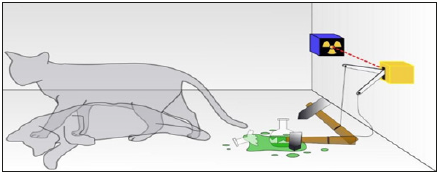
Schrödinger’s cat. Inside the box, the cat will be either alive or dead, depending on whether a radioactive particle decayed or not. If the cat were a true quantum system, the cat would be neither alive nor dead, but in a superposition of both states until observed. (wikimedia commons user dhatfield). but in the quantum Universe, this notion of relativistic causality isn’t as straightforward or universal as it would seem. There are many properties that a particle can have-such as its spin or polarization-that are fundamentally indeterminate until you make a measurement. Prior to observing the particle, or interacting with it in such a way that it’s forced to be in either one state or the other, it’s actually in a superposition of all possible outcomes [16].

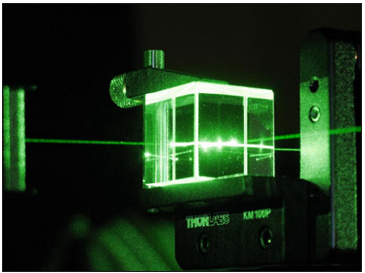
Well, you can also take two quantum particles and entangle them, so that these very same quantum properties are linked between the two entangled particles. Whenever you interact with one member of the entangled pair, you not only gain information about which particular state it’s in, but also information about its entangled partner (Figure 4). By creating two entangled photons from a preexisting system and separating them by great distances, we can ‘teleport’ information about the state of one by measuring the state of the other, even from extraordinarily different locations(melissa meister, of laser photons through a beam splitter).

This wouldn’t be so bad, except for the fact that you can set up an experiment as follows. You can create your pair of entangled particles at a particular location in space and time. You can transport them an arbitrarily large distance apart from one another, all while maintaining that quantum entanglement. Finally, you can make those measurements (or force those interactions) as close to simultaneously as possible. In every instance where you do this, you’ll find the member you measure in a particular state, and instantly “know” some information about the other entangled member (Figure 5).

Figure 5:


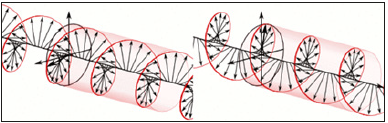
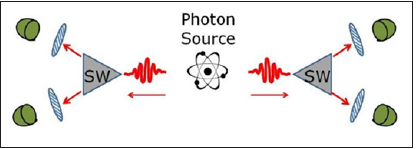
A photon can have two types of circular polarizations, arbitrarily defined so that one is + and one is -. By devising an experiment to test correlations between the directional polarization of entangled particles, one can attempt to distinguish between certain formulations of quantum mechanics that lead to different experimental results(Dave3457/wikimedia commons). What’s puzzling is that you cannot check whether this information is true or not until much later, because it takes a finite amount of time for a light signal to arrive from the other member. When the signal does arrive, it always confirms what you’d known just by measuring your member of the entangled pair: your expectation for the state of the distant particle agreed 100% with what its measurement indicated. Only, there seems to be a problem [17]. You “knew” information about a measurement that was taking place non-locally, which is to say that the measurement that occurred is outside of your light cone. Yet somehow, you weren’t entirely ignorant about what was going on over there. Even though no information was transmitted faster than the speed of light, this measurement describes a troubling truth about quantum physics: It is fundamentally a non-local theory (Figure 6 & 7). Schematic of the third Aspect experiment testing quantum non-locality. Entangled photons from the source are sent to two fast switches that direct them to polarizing detectors. The switches change settings very rapidly, effectively changing the detector settings for the experiment while the photons are in flight (chad orzel).

Figure 6:


Figure 7:


Figure 8:


There are limits to this, of course. It isn’t as clean as you want: measuring the state of your particle doesn’t tell us the exact state of its entangled pair, just probabilistic information about its partner. There is still no way to send a signal faster than light; you can only use this non-locality to predict a statistical average of entangled particle properties. And even though it has been the dream of many, from Einstein to Schrödinger to de Broglie, no one has ever come up with an improved version of quantum mechanics that tells you anything more than its original formulation [18]. But there are many who still dream that dream. If two particles are entangled, they have complementary wavefunction properties, and measuring one places meaningful constraints on the properties of the other (Figure 8). (wikimedia commons user david koryagin) One of them is Lee Smolin, who cowrote a paper [Physical Review D] way back in 2003 that showed an intriguing link between general ideas in quantum gravity and the fundamental non-locality of quantum physics. Although we don’t have a successful quantum theory of gravity, we have established a number of important properties concerning how a quantum theory of gravity will behave and still be consistent with the known Universe (Figure 9).

Figure 9:


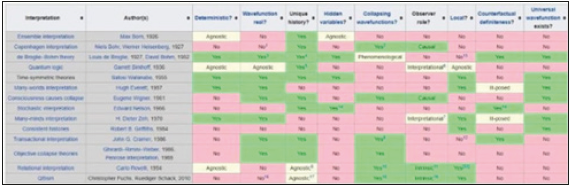
A variety of quantum interpretations and their differing assignments of a variety of properties. Despite their differences, there are no experiments known that can tell these various interpretations apart from one another, although certain interpretations, like those with local, real, deterministic hidden variables, can be ruled out. (English wikipedia page on interpretations of quantum mechanics) There are many reasons to be skeptical that this conjecture will hold up to further scrutiny. For one, we don’t truly understand quantum gravity at all, and anything we can say about it is extraordinarily provisional. For another, replacing the non-local behavior of quantum mechanics with the non-local behavior of quantum gravity is arguably making the problem worse, not better. And, as a third reason, there is nothing thought to be observable or testable about these non-local variables that Markopoulou and Smolin claim could explain this bizarre property of the quantum Universe [19].

Figure 10:


Fortunately, we’ll have the opportunity to hear the story direct from Smolin himself and evaluate it on our own. It is curious about what Smolin is calling Einstein’s Unfinished Revolution, which is the ultimate quest to supersede our two current (but mutually incompatible) descriptions of reality: General Relativity and quantum mechanics (Figure 10). Find out where we are in the quest for quantum gravity, and what promises it may (or may not) have for revolutionizing one of the greatest counterintuitive mysteries about the quantum nature of reality! [19,20] Thanks for joining me for an interesting lecture and discussions on science, and just maybe, someday, we’ll have some interesting progress to report on this topic. Until then, you don’t have to shut up, but you still do have to calculate!

Quantum entanglement entropy plays a key role

Gauge/gravity duality posits an exact equivalence between certain conformal field theories (CFT’s) with many degrees of freedom and higher dimensional theories with gravity. We try to understand how bulk spacetime geometry and gravitational dynamics emerge from a non-gravitational theory. In recent years, there have appeared hints that quantum entanglement entropy a key role. One important development in this direction was the proposal that the entanglement entropy between spatial domain D of CFT and its complement is equal to the area of the bulk extremal surface. Using this showed the emergence of linearized gravity from entanglement physics of the CFT, we continue this program. Moreover, we show that bulk stress-energy density in this region can be reconstructed point-by-point from entanglement on the boundary [21].

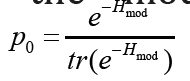
Relative entropy is a measure of distinguishability between two quantum state in the Hilbert space. The relative entropy of two density matrices p0 and p1 is defined as

When p0 and p1 are reduced density matrices on a spatial domain D for two states of a quantum field theory (QFT), which is the case which implies that S( p0 / p1 ) increases with the size of D.

Defining the modular Hamiltonial of Hmod p0 implicitly through It is easy to see that above is equivalent to where is the change in the expectation value of the operator Hmod


and is the change in entanglement entropy across D as one goes between the states.
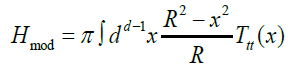
In general, the modular Hamiltonian associated to a given density matrix is nonlocal. There are a few simple cases where it is explicitly known. When p0 is the reduced density matrix of the vacuum state of a CFT on a disk of radius R which (without loss of generality) we take to be centered at x0 = 0

where is the energy density of the CFT [22].

The Interface between quantum gravity and information science

Theory of quantum gravitation: Lee Smolin showed an intriguing link between general ideas in quantum gravity and thefundamental non-locality of quantum physics, We must replace the non-local behavior of quantum mechanics with the non-local behavior of quantum gravity. [23].

Quantum entanglement entropy: Ooguri and Marcolli’s work shows that this quantum entanglement generates the extra dimensions of the gravitational theory, entangled particles have also complementary properties, entangled quantum particles cannot be seen individually, they form a single quantum object, even if they are located far apart, If two particles are entangled they have complementary wavefunction properties and measuring one places meaningful constraints on the properties of the other.

Quantum Information: The interface between quantum gravity and information science is becoming increasingly important for both fields [24]. based on lee smolin’s calling for continuing in einstein’s unfinished revolution, i propose the ultimate quest to supersede our two current (mutually compatible) descriptions of reality: general relativity and quantum gravity. general relativity and quantum gravity including quantum entanglement. entropy means that the twofaced new main law of nature may lead to a new scientific revolution.

Conclusion

It has been shown that information and “entropy”-a measure of the disorder of a system-are linked together to “infoentropy” in a way exactly analogous to electric and magnetic fields (“electromagnetism”). Electric currents produce magnetic fields, while changing magnetic fields produce electric currents. Information and entropy influence each other in the same way.

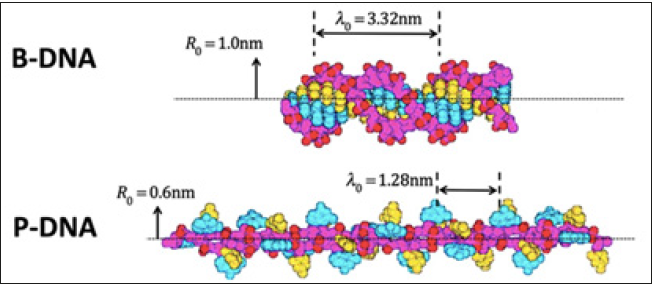
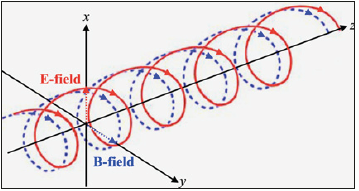
Entropy is a fundamental concept in physics. For example, because entropy can never decrease (disorder always increases) you can turn an egg into scrambled eggs but not the other way around. If you move information around you must also increase entropy-a phone call has an entropy cost. It has been showed that entropy and information can be treated as a field and that they are related to geometry. Think of the two strands of the DNA double helix winding around each other. Light waves have the same structure, where the two strands are the electric and magnetic fields. We showed mathematically that the relationship between information and entropy can be visualised using just the same geometry (Figure 11 & 12).

Figure 11:


Figure 12:


If we want to see if our theory could predict things in the real world, and decided to try and calculate how much energy you’d need to convert one form of DNA to another. DNA is after all a spiral and a form of information. We needed to know the entropy of the galaxy for our calculations. Luckily, the mathematical physicist Roger Penrose showed that this entropy is dominated by the entropy of its central super-massive black hole. We know the mass of this black hole (4.3m sun masses). And amazingly, when you know the mass of a black hole, there is an equation, discovered by the late physicist Stephen Hawking, that calculates its entropy. Hawking also discovered how to calculate the “temperature” at its surface, or “event horizon”.

If you can assign a “temperature” to the black hole event horizon-which has no stuff in it to have temperature-why not also assign a temperature to a galaxy? We argue in our paper that this is reasonable (using what’s known as the “holographic principle”). So we used our info-entropy equations to calculate the galaxy’s holographic temperature.

Then it gets easy. We know that the galactic energy is given by the product of its entropy and temperature. And when we know the energy we can find out the mass thanks to Einstein’s famous equation: E=mc2.

This time the result was not exactly spot on, but it was reasonably close given our highly simplified model of the galaxy. The info-entropic geometry of a galaxy not only explains how entropic forces create the beautifully symmetric shape and keep it, but also accounts for all the mass that appears to be evident in it. We think that the “morphogenic field” Kepler was seeking really does exist, and is actually the effect of the intertwining of information and entropy. After four long centuries, it seems Kepler has finally been vindicated.

References

  1. Holzhey C, Larsen F, F Wilczek (1994) Geometric and renormalized entropy in conformal field theory. Nucl Phys B 424(3): 443-467.
  2. E Verlinde (2011) On the origin of gravity and the laws of Newton. J High Energy Phys (4): 29.
  3. K Skenderis, M Taylor (467) The fuzzball proposal for black holes. Phys Rep 467(4-5): 117-171.
  4. Blanco DD, Casini H, Hung LY, Myers RC (2013) Relative entropy and holography. J High Energy Phys (8): 60.
  5. Raamsdonk M (2010) Building up spacetime with quantum entanglement. Gen Rel Gravit 42(10): 2323-2329.
  6. Lashkari N, Dermott M, Raamsdonk M (2014) Gravitational dynamics from entanglement thermodynamics. J High Energy Phys (4): 195.
  7. Resconi G, Licata I, Fiscaletti D (2013) Unification of quantum and gravity by nonclassical information entropy space. Entropy 15(9): 3602-3619.
  8. Licata I, Chiatti L (2009) The archaic universe: big bang, cosmological term and the quantum origin of time in projective cosmology. Int J Theor Phys 48(4): 1003-1018.
  9. Lamb WE, Ratherford RC (1947) Fine structure of the hydrogen atom by a microwave method. Phys Rev 72(3): 241-243.
  10. Bethe HA (1947) The electromagnetic shift of energy levels. Phys Rev 72(4): 339-341.
  11. Lamoreaux SK (1997) Demonstration of the casimir force in the 0.6 to 6mu m range. Phys Rev Lett 78(1): 5-8.
  12. Stephens CR, Hooft GT, Whiting BF (1994) Black-hole evaporation without information loss. Class Quantum Grav 11(3): 621-647.
  13. Susskind L (1995) The world as a hologram. J Math Phys 36(11): 6377-6396.
  14. R Bousso (2002) The holographic principle. Rev Mod Phys 74(3): 825-874.
  15. Hawking SW (1975) Particle creation by black holes. Commun Math Phys 43(3): 199-220.
  16. Shujuan Liu, Hongwei X (2019) On the quantum thermodynamic origin of gravitational force by applying spacetime entanglement entropy and Unruh effect.
  17. Skopec R (2019) Quantum resurrection: Quantum algorithm with complex conjugation reverses phases of the wave function components. Journal of Neuroscience and Neurological Surgery.
  18. Skopec R (2018) Evolution continues with quantum biology and artificial intelligence. ARC Journal of Immunology and Vaccines 3(2): 15-23.
  19. Skopec R (2019) Naphazoline nitrate treat the frey effect of microwave and other sonic weapon’s damages in human’s internal, organs. Virology: Research & Reviews 2(1): 1-5.
  20. Skopec R (2019) Negative health effects of the international space station. Stem Cell Research International 3(2): 1-6.
  21. Skopec R (2019) Fifth dark force completely change our understanding of the universe. Research Journal of Nanoscience and Engineering 3(2): 22-29.
  22. Skopec R (2019) Darwin’s theorem revised: Survival of the careerist. Advancements in Cardiovascular Research 1(5): 89-93.
  23. Skopec R (2019) New psychological weapons make targets hallucinate. Journal of Neuropsychiatry and Neuro disorders 1(1): 1-6.
  24. Skopec R (2019) The transfiguration with self-phase modulation effect of entanglement in a plasmatic moving frame. Current Trends in Biotechnology and Biochemistry.

For more articles in The Open Conference Proceedings Journal
Please click on below link: https://crimsonpublishers.com/icp/

Tuesday, January 18, 2022

Applications of Polymers in Perovskite Solar Cells: A Review_Crimson Publishers

 Applications of Polymers in Perovskite Solar Cells: A Review by Subhasis Roy in Annals of Chemical Science Research_chemical sciences journal


Abstract

Emerging technology and recent research activity help perovskite solar cells to cross with a notable 22% efficiency. Rapid research and development in organic photovoltaics (OPVs) and light-emitting diodes (OLEDs) leads to optimize the efficiency further. Device efficiency and stability largely depend on components and the device structure of the solar cell. The aim of this report is to review the different strategies employed polymer as an electron transport material (ETM), hole transporting material (HTM) or as a templating agent to enhance the performance, stability, and durability of the perovskite solar cell.

Keywords: Perovskite; Polymers; Solar cells; Efficiency

Introduction

Modern technology has a growing interest in the application of polymer as a flexible substrate in Dye-sensitized solar cells (DSSC), film-forming agents of the working electrode, platinum-free counter electrodes, and semi solid-state electrolyte. Uses of polymer in perovskite material lead to crystallization processes and work as an additive to adjust the nucleation. These polymers are generally used as an electron transfer material, hole transfer material or interface layer and work like to reduce the recombination rate and improves the separation efficiency of the charge carriers [1]. Polymers are often used as buffer layers or donor layers in inorganic solar cells. Some polymer nanostructured are used to enhance device performance [2,3]. Some low bandgap polymer materials are used as a hole transporting material in perovskite solar cells (PSC) to optimize efficiency as well as prevent cell degradation. Researchers are using a polymer-perovskite composite material to fabricate hybrid structures that are widely used in perovskite-based light-emitting diode (LED). Polymers encapsulated perovskite solar cell has a comparative longer lifetime and less degradation of materials than without encapsulation [4]. The light absorption of Perovskite layer is less impacted by the polymer coating. Though polymers have a lot of advantages for uses in perovskite solar cell some issues like thermal stability in high temperature, water permeability through polymer layer and adhesive property of thin layer is challenging and lot of research work is going on to address the challenges [5]. Recent trends of polymers application in perovskite-based solar cells and its achievements are reviewed and discussed in this article. Moreover, the practical challenges of polymer layered perovskite solar cell and implementation techniques are addressed.

Different Applications of Polymer on Perovskite Solar Cells

  1. Polymer-based photovoltaic technology like Dye-sensitized solar cells (DSSC), perovskite solar cell (PSC), Organic Photovoltaic Solar Cells (OPV) are the key interest nowadays. In DSSC polymers work like a film-forming agent of photoanode and best suitable for the flexible substrate. The platinum-free counter electrode can be fabricated by conductive polymers as Conductive polymers exhibit high catalytic activity which can be ideal for perovskite solar cells [6]. Polymers are widely used in DSSC as a semi solid-state electrolyte.
  2. Polymers are widely used in PSC as it facilitates the nucleation process which regulates the crystallization of perovskite films and enhances cell performance and stability. Polymers are often chosen as a hole transport material due to significant high hole mobility [7].
  3. Light-harvesting efficiency and performances of devices are largely influenced by the polymer addition in OPV. Improvement of the efficiency of the OPV is possible by tuning with a novel polymer having narrow bandgap and appropriate energy level alignment [8]. Besides this, the application of polymer is well promising for the tandem OPV fabricated with a tunable spectrum absorption range.
  4. Various OPV and Organic Light-Emitting Diodes (OLED) research facilitates in the perovskite research area and helped by adding polymers which were already been used in OPV or OLED. Previous researches have helped a lot in developing perovskite device as polymers provide a various solution like providing quality charge transport and absorber [9].
  5. Despite having high-efficiency perovskite solar modules are still not commercialized. Instability is one of the major drawbacks. With more than 2 decades OPV cells have witnessed lots of improvements and evolution. Operational feasibility and environmental stability were thoroughly studied, however, PSC has very little statistical data to study and worked on. To overcome the instability problem, polymers could serve as a templating agent, acts as a barrier and resist the cell from moisture [10].
  6. Heterojunction layer of P3HT: PCBM (poly(3-hexylthiophene): [6,6]-phenyl C61-butyric acid methyl ester) works as a control scheme for the past few years due to its predictable performance and characteristics in OPV. Adding polymers to lead-based halide perovskite leads to increase chemical stability; however, their stability mechanism is poorly understood especially for hybrid materials. Several perovskite hybrid models for solar cells have been compared for stability enhancement, structural and spectroscopic analysis and it was found that perovskite crystallite sizes decrease with the addition of polymers (polyethylene glycol, polyethyleneimine, poly(acrylic acid) and polyvinylpyrrolidone) [11].

Some Polymers used in Recent Research in Perovskite Solar Cell

Polyanilines (PANI)

PANI has high conductivity and used as a hole transporting material. PANI nanoparticles have between 20-60nm of size and can be produced via polymerization [12]. PANI increases the light absorption property of the perovskite layer by improving the surface of perovskite thin film introducing the nanoparticles into a thin film. Conductive hole transport material in OLED is layered with PANI.

Polytriarylamines (PTAAs)

An exceptional electron blocking capabilities and low ionization is the key importance for choosing PTAA as a hole transport material in perovskite and OLED research. Amorphous materials have low hole mobility and PTAA has high void space. The crystal structure of PTAA can be improved by introducing planar moieties to transform it into more crystalline HTM material [13]. Hole mobility of the material can be enhanced by suitable doping with cobalt compounds. PTAA containing Hydrophobic alkyl chain has a higher tendency to show hysteresis rather than hydrophilic ones.

Polyfluorenes (PFO)

Polyfluorenes and polyfluorene doped products are used as hole-transporting materials due to efficient hole extraction in perovskite solar cells. Only PFO has low oxidation potential and low valence band compared to perovskite. Suitable doping and structure change is possible by introducing an electron-rich triarylamine monomer that improves the valence band of the perovskite [14]. After structure modification, it works better than polyfluorenes and better than spiro-OMeTAD in terms of hole extraction ability.

Carbazole

Due to desired electrical and tunable optical properties conjugated polymer based on Carbazole are now being used in perovskite-based solar cells. As an ideal hole transport material Carbazole based polymers are suitable in perovskite solar cells [15]. By copolymerization process with 3,4-ethylene di-oxythiophene (EDOT), the newly formed compound has more electron-donating ability. 2,7-Cbz-EDOT and 3,6-Cbz-EDOT are the most popular among carbazole based material which is used as a hole transport material in perovskite solar cells.

Polymer-based on sulfur–selenium materials

Recent research reveals that sulfur-selenium material-based polymer can be used in perovskite solar cells as a hole transport layer. Photoluminescence property and photoinduced absorption quality are ideal for transfer quality charges. Sulphur-selenium based polymeric material used in perovskite solar cell has achieved 10.21% efficiency [16]. The conductivity of this material is relatively good than other many polymeric materials. By introducing selenium material in the polymeric sulfur, it reduces the optical bandgap of the polymer. Selenium doped sulfur polymer has an impact on photoluminescence property of thin-film perovskite.

Low Band Gap Polymers Application in Perovskite Solar Cell

Low bandgap polymers are introduced in OPV as well as perovskite solar cells to improve the absorption of infrared or near-infrared region wavelengths of light [17]. Generally, lower bandgap polymer has higher hole transfer mobility than other HTM. Different variables like processing time, temperature, additives used has a high impact on the bandgap of the polymers. Low bandgap polymer HTM like, PCBTDPP, PCDTBT or PCPDTBT has been tested by researchers but any significant improvement was not found from their observation and all these materials are belongs to thiophene based polymers [18]. PTB7 similar type thiophene based polymer works like hole transporting material has reported decent improvement in power output in perovskite solar cell. PTB7 has higher hole mobility than P3HT and even widely used spiro-OMeTAD [19]. PTB‐DCB21 polymer has a dichlorobenzene functional group exhibit higher power conversion efficiency [19]. It works as a bridge between perovskite and HTM layer. Lower the recombination rates and faster the electron transfer leads to higher efficiency.

A Polymer-perovskite Composite Material in Hybrid Perovskite Devices

The polymer-perovskite composite used in making perovskitebased LED is termed as heterostructure. This structure is a combination of perovskite components layered with an insulating polymer. Perovskite structure is made with 2D and 3D components. Charge carriers move from 2D to 3D regions and in the 3D regions charges are separated out that lead to recombination and light emission from the perovskite-based LED [20]. The perovskite material and polymers blend most prevent the charge carriers from recombination and prevent the device from non-emissive losses. This hybrid perovskite structure with LED when first developed was facing losses charge carriers from the perovskite layer due to the micro defects in the perovskite crystal structure which leads to lowering their light-emitting efficiency [21,22]. After a lot of development and research by adding polymer with the perovskite material it is now possible to transfer charge faster from 2D to 3D regions and charge extraction from 3D regions in an efficient way.

How Polymers Improve Perovskite Solar Cell Performance?

Solution processing followed by the heating method introduced defects at grain boundaries of the perovskite thin-film layer. A suitable number of additives adding not only changes the surface morphology of thin film but also increases the stability of the perovskite material in challenging ambient conditions. Suitable tuning in grain boundary morphology helps to improve the optoelectronic property of the solar cell as well as increases the stability of the cell [23]. When polymer additives (some specific polymer) are added to the perovskite material, polymer and perovskite molecules form a cross-linked polymer chain like substance. These cross-link’s materials help the perovskite material to become more stable in humid ambiance and protect from electrical decoupling between two adjacent grains [24].

Adding surfactants having a smaller molecule has a significant impact on the power conversion efficiency of the perovskite solar cell in solution processing methods. It was observed that Suitable polymer addition with perovskite changes the carrier dynamics and the surface morphology. Recent research reveals that using 4-vinyl pyridine (PVP) with Methylammonium lead iodide (MAPbI3) has a large improvement in the open-circuit voltage of the fabricated solar cell, consequently, the cell’s performance-enhanced significantly [25]. PVP not only enhances the power output but also addressed the degradation issue of the cell. Perovskite solar cells coated with a thin-film plasma polymer layer become more stable in humid conditions. This encapsulation helps the cell to prevent degradation under moisture and humid weather. This thin-film polymer is deposited on the perovskite layer by the plasma vacuum deposition method and performed at room temperature [26]. The absorbance quality of the perovskite layer does not have an impact after polymer film deposition and very less impact on power conversion efficiency.

Some Drawbacks of Polymers Used in Perovskite Solar Cell

The transparent polymer layer on perovskite provides better stability and passivation. Apart from the many advantages, polymers have a few drawbacks in perovskite solar cell applications. Thermal stability is one of the most important issues for polymers in the perovskite solar cell application, apart from this, the ability of water retention and adhesive forces characteristics of the polymer largely has an impact on the performance of the perovskite solar cell [27].

The thermal stability of a polymer encapsulated perovskite solar cell in high ambient temperature conditions is the main concern and opens new challenges for further research. A significant amount of thermal stress evolved in the solar cell during the high-temperature ambient condition and that leads to thermal instability and material degradation. Thermal stress and followed by thermal degradation can be encountered by introducing a lower bandgap donor polymer which is efficient in harvesting near-infrared region light [28].

The adhesive property of thin-film solar cells encapsulated with polymer substance highly depends on solution processing and thermal treatment during fabrication. The adhesive property of the substance largely influences the multi-layered device structure [29]. Adhesive property change may raise the strains in the perovskite solar cell layer which may be caused by many reasons like environmental conditions, handling the material wrongfully, inhomogeneous thermal expansion or shrinkage formation during the processing of solution [30].

Perovskite material is significantly affected by water molecules [31,32]. To improve the stability of perovskite solar cells we must prevent water penetration. NiO (Nickel oxide), Silicon dioxide (SiO2), etc hydrophilic oxide molecules help the perovskite layer from water retention. Dual Parylene transparent polymer layer improved the passivation effects and helps from water retention by strong molecular binding of Parylene with SiO2 [33].

Conclusion

Despite having high-performance efficiency in perovskite solar modules are still not commercialized. Instability is one of the reasons. Adding polymers to lead-based halide perovskite leads to increasing chemical stability. In another way, the addition of polymers in perovskite solar cells provides various solutions like quality charge transport and works as an absorber. Polymers are widely used in PSC which regulates the crystallization of perovskite films that leads to enhances cell performance and stability. Due to their high hole mobility, these polymers can be employed as the hole transfer materials also. Thermal stability in high ambient conditions, the ability of water retention, and adhesion property still an issue for polymer application in perovskite solar cells, and further research is going on to optimize the performances and counter the issues.

Acknowledgment

This work was supported by Science and Engineering Research Board (SERB) grants funded by Department of Science and Technology (DST) Central, Government of India through Teachers Associateship for Research Excellence (TAR/2018/000195).

References

  1. Hou W, Xiao Y, Han G, Lin JY (2019) The applications of polymers in solar cells: A review. Polymers 11(1): 143.
  2. Müller K, Bugnicourt E, Latorre M, Jorda M, Echegoyen Sanz Y, et al. (2017) Review on the processing and properties of polymer nanocomposites and nano-coatings and their applications in the packaging, automotive and solar energy fields. Nanomaterials 7(4): 74.
  3. Roy S, Kargupta K, Chakraborty S, Ganguly S (2008) Preparation of polyaniline nanofibers and nanoparticles via simultaneous doping and electro-deposition. Materials Letters 62(16): 2535-2538.
  4. Kim H, Lee J, Kim B, Byun HR, Kim SH, et al. (2019) Enhanced stability of MAPbI3 perovskite solar cells using Poly(p-chloro-xylylene) encapsulation. Scientific Reports 9(1): 15461.
  5. Zhao X, Kim HS, Seo JY, Park NG (2017) Effect of selective contacts on the thermal stability of perovskite solar cells. ACS Applied Materials & Interfaces 9(8): 7148-7153.
  6. Mabrouk S, Bahrami B, Elbohy H, Reza KM, Gurung A, et al. (2019) Synergistic engineering of hole transport materials in perovskite solar cells. InfoMat.
  7. Zhang L, Wu J, Li D, Li W, Meng Q, et al. (2019) Ladder-like conjugated polymers used as hole-transporting materials for high-efficiency perovskite solar cells. Journal of Materials Chemistry A 7(24): 14473-14477.
  8. Azzouzi M, Kirchartz T, Nelson J (2019) Factors controlling open-circuit voltage losses in organic solar cells. Trends in Chemistry 1(1): 49-62.
  9. Luzio A, Criante L, D Innocenzo V, Caironi M (2013) Control of charge transport in a semiconducting copolymer by solvent-induced long-range order. Scientific Reports 3: 3425.
  10. Ahmed EM (2015) Hydrogel: Preparation, characterization, and applications: A review. Journal of Advanced Research 6(2): 105-121.
  11. Fairfield DJ, Sai H, Narayanan A, Passarelli JV, Chen M, et al. (2019) Structure and chemical stability in perovskite-polymer hybrid photovoltaic materials. Journal of Materials Chemistry A 7(4): 1687-1699.
  12. Wang X, Ye KH, Yu X, Zhu J, Zhu Y, et al. (2018) Polyaniline as a new type of hole-transporting material to significantly increase the solar water splitting performance of BiVO4 Journal of Power Sources 391: 34-40.
  13. Liu Y, Liu Z, Lee EC (2019) High-performance inverted perovskite solar cells using doped Poly(triarylamine) as the hole transport layer. ACS Applied Energy Materials 2(3): 1932-1942.
  14. Zhang L, Wu J, Li D, Li W, Meng Q, et al. (2019) Ladder-like conjugated polymers used as hole-transporting materials for high-efficiency perovskite solar cells. Journal of Materials Chemistry A 7: 14473-14477.
  15. Li W, Otsuka M, Kato T, Wang Y, Mori T, et al. (2016) 3,6-Carbazole vs 2,7-carbazole: A comparative study of hole-transporting polymeric materials for inorganic-organic hybrid perovskite solar cells. Beilstein Journal of Organic Chemistry 12: 1401-1409.
  16. Liu P, Kloo L, Gardner JM (2017) Cross‐linked sulfur–selenium polymers as hole‐transporting materials in dye‐sensitized solar cells and perovskite solar cells. Chem Photo Chem 1(8): 363-368.
  17. Sun C, Xia R, Shi H, Yao H, Liu X, et al. (2018) Heat-insulating multifunctional semitransparent polymer solar cells. Joule 2(9): 1816-1826.
  18. Peng SH, Huang TW, Gollavelli G, Hsu CS (2017) Thiophene and diketopyrrolopyrrole based conjugated polymers as efficient alternatives to spiro-OMeTAD in perovskite solar cells as hole transporting layers. Journal of Materials Chemistry C 5: 5193-5198.
  19. Lee JW, Park S, Ko MJ, Son HJ, Park NG (2014) Enhancement of the photovoltaic performance of CH₃NH₃PbI₃ perovskite solar cells through a dichlorobenzene-functionalized hole-transporting material. Chem Phys Chem 15(12): 2595-2603.
  20. Motti SG, Crothers T, Yang R, Cao Y, Li R, et al. (2019) Heterogeneous photon recycling and charge diffusion enhance charge transport in Quasi-2D lead-halide perovskite films. Nano Letters 19(6): 3953-3960.
  21. Vidyasagar CC, Muñoz Flores BM, Jiménez Pérez VM (2018) Recent advances in synthesis and properties of hybrid halide perovskites for photovoltaics. Nano-Micro Letters 10: 68.
  22. Moyez SA, Roy S (2017) Thermal engineering of lead-free nanostructured CH3NH3SnCl3 perovskite material for thin-film solar cell. Journal of Nanoparticle Research 20: 5.
  23. Chen K, Schünemann S, Song S, Tüysüz H (2018) Structural effects on optoelectronic properties of halide perovskites. Chemical Society Reviews 47: 7045-7077.
  24. Wei D, Huang H, Cui P, Ji J, Dou S, et al. (2019) Moisture-tolerant super molecule for the stability enhancement of organic–inorganic perovskite solar cells in ambient air. Nanoscale 11: 1228-1235.
  25. Yavari M, Mazloum-Ardakani M, Gholipour S, Tavakoli MM, Taghavinia N, et al. (2018) Reducing surface recombination by a Poly(4-vinylpyridine) interlayer in perovskite solar cells with high open-circuit voltage and efficiency. ACS Omega 3(5): 5038-5043.
  26. Swartwout R, Hoerantner MT, Bulović V (2019) Scalable deposition methods for large‐area production of perovskite thin films. Energy & Environmental Materials 2(2): 119-145.
  27. Pitchaiya S, Natarajan M, Santhanam A, Asokan V, Yuvapragasam A, et al. (2018) A review on the classification of organic/inorganic/carbonaceous hole transporting materials for perovskite solar cell application. Arabian Journal of Chemistry 13(1): 2526-2557.
  28. Wang L, Peng M, Li X, Wang Y, Luo H, et al. (2019) Suppressing the thermal degradation of bismuth near-infrared luminescence in optical amorphous materials via topologically polymerized network structures. Journal of Materials Chemistry C 7: 5074-5083.
  29. Qiu L, Ono LK, Qi Y (2018) Advances and challenges to the commercialization of organic–inorganic halide perovskite solar cell technology. Materials Today Energy 7: 169-189.
  30. Lin Y, Fang Y, Zhao J, Shao Y, Stuard SJ, et al. (2019) Unveiling the operation mechanism of layered perovskite solar cells. Nature Communications 10(1): 1008.
  31. Huang J, Tan S, Lund PD, Zhou H (2017) Impact of H2O on organic-inorganic hybrid perovskite solar cells. Energy & Environmental Science 10: 2284-2311.
  32. Moyez SA, Roy S (2018) Dual-step thermal engineering technique: A new approach for fabrication of efficient CH3NH3PbI3-based perovskite solar cell in open air condition. Solar Energy Materials and Solar Cells 185: 145.
  33. Park DY, Byun HR, Kim H, Kim B, Jeong MS (2018) Enhanced stability of perovskite solar cells using organosilane-treated double polymer passivation layers. Journal of the Korean Physical Society 73: 1787-1793.

For more articles in chemical sciences journal
Please click on below link: https://crimsonpublishers.com/acsr/

Main Temperature Dependent Parameters of the Exponential Absorption Spectrum of a-Si: H _ Crimson Publishers

Main Temperature Dependent Parameters of the Exponential Absorption Spectrum of a-Si: H by Muminov KhA in Research & Development in Ma...