Crimson Publishers High Impact Journals

Showing posts with label Open Access Journal of Sports Medicine. Show all posts

Thursday, October 1, 2026

Visual-cognitive Skills and Physical Qualities in Elite Soccer: Practical Considerations for Training and Return-to-Play Protocols: Crimson Publishers

Visual-cognitive Skills and Physical Qualities in Elite Soccer: Practical Considerations for Training and Return-to-Play Protocols by Lukasz Bortnik in Research & Investigations in Sports Medicine: Peer Reviewed Research & Investigations in Sports Medicine


Abstract

Elite soccer is increasingly demanding, requiring players to cover greater distances at higher speeds while making rapid decisions under high-pressure scenarios. These demands place significant strain on neurophysiological capacities, highlighting the need for integrated training that combines physical, technical-tactical and visual-cognitive development. This is particularly critical for athletes returning from long-term injury, who require both physical rehabilitation and neurocognitive re-adaptation to safely resume competition. Traditional Return-to-Play protocols often overlook compensatory central nervous system adaptations, increasing the risk of movement errors. Contemporary approaches emphasise visual-cognitive skills, supported by divided attention (managing multiple tasks) and selective attention (prioritizing relevant stimuli), while Blood Flow Restriction (BFR) training provides a promising adjunct during rehabilitation, especially when combined with Virtual-Reality (VR) techniques. Integrating these cognitive and physical strategies may enhance performance, reduce movement errors and facilitate safer re-integration into elite soccer.

Keywords: Blood flow restriction; Virtual-cognitive skills; Soccer RTP

Introduction

Elite soccer continues to evolve, with rising physical and technical-tactical demands across many European competitions. As the intensity of the modern game increases, players are expected to cover greater running distances at higher speeds and perform in more dynamic, high-pressure scenarios where decisions made in fractions of a second can determine match outcomes [1]. These evolving demands suggest that players’ neurophysiological capacities are being tested to new limits [2,3]. In practical settings, this underscores the critical need to develop physical and technical-tactical abilities in tandem with visual-cognitive skills. This is especially pertinent for players returning from long-term injury, who must undergo physical rehabilitation and a period of re-adaptation before safely rejoining team training and competitive play [4]. These individuals face an elevated risk of movement errors, often due to compromised motor control under the complex and unpredictable demands of elite competition [4]. For example, evidence indicates that altered brain and spinal cord function (negative neuroplasticity) may persist for years after knee surgery, even following a return to full activity [5]. In addition, persistent biomechanical deficits have been observed long after knee reconstruction, particularly during the penultimate foot contact of the injured limb in change-of-direction tasks [6]. These findings suggest that RTP protocols should place greater emphasis on movement mechanics and sensorimotor control, alongside traditional performance outcomes. Ultimately, a paradigm shift is needed in rehabilitation. The one that integrates elements of “brain training” and cognitive training to more comprehensively address the long-term consequences of injury.

Modern training and preparation must therefore utilize a deep analytical approach and explicitly integrate key visual-cognitive aspects into these processes. Skills such as perception, anticipation and rapid reaction should be considered essential components of contemporary training programs [7]. Both divided and selective attention are vital to stimulate visual-cognitive processes effectively. Divided attention (dual-tasking) refers to the ability to manage multiple tasks simultaneously or switch between them without attentional loss [8]. Selective attention (Table 1) involves identifying relevant and ignoring irrelevant stimuli [9].

Table 1:Definitions, divisions and examples of selective attention in football.


Visual-Cognitive Processes: Practical Applications

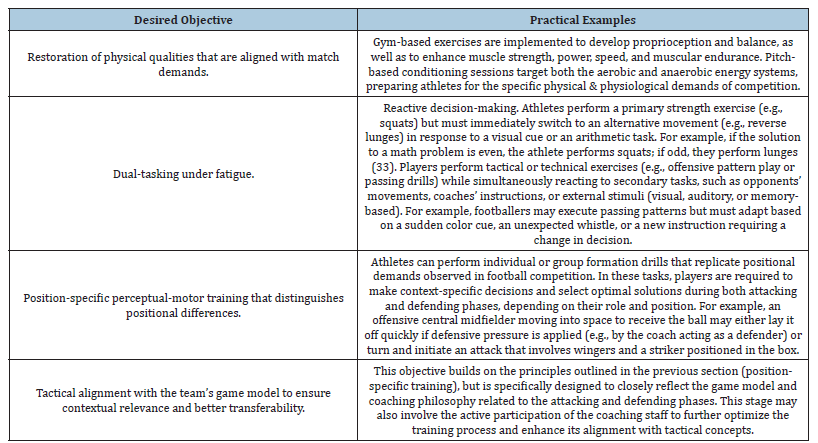
Practitioners might ask how visual-cognitive aspects could be applied in practical settings. In real-match scenarios, the concepts of anticipation and reaction can be utilized in various ways to enhance player performance and impose professional development. Table 2 & 3 depict real-world situations that offensive and defensive positions could experience during official matches. In practical settings, embedding visual-cognitive processes in individual and team-based training, including rehabilitation and Return-to-Play (RTP) protocols, is essential for a holistic and safe transition back to full match performance. When injuries limit movement and on-pitch sessions are not possible however, alternative approaches must be considered. A notable example is an Anterior Cruciate Ligament (ACL) injury. It is worth noting that rupture and reconstructive surgery lead to a disruption of sensory input from the knee to the Central Nervous System (CNS), resulting in altered motor behaviours [10]. Consequently, ACL injury should be regarded as a multifaceted musculoskeletal condition, as it encompasses not only mechanical and movement impairments but also cognitive and neurological disruptions. Failing to address these dimensions within rehabilitation, prevention and risk assessment strategies may result in incomplete management and a higher likelihood of recurrent problems [11]. In such cases, a long recovery and multi-staged rehabilitation are required, gradually transitioning from gym-based to pitch-based specific exercises [12] (Figure 1). Rehabilitation, even at early stages, should include tasks that challenge attention, working memory, and visual-spatial processing as shown in Figure 2 & 3. Training plans at more advanced stages must consider the individual’s characteristics and positional demands, where soccer players anticipate, decide and quickly react to constantly changing environments that mimic game-like scenarios [12-15]. For instance, developing the ability to press aggressively, win the ball high and transition instantly into attack has been considered a decisive factor in modern soccer [13]. Figure 1 presents a drill designed to connect defensive pressing behaviors with a quick counter-attack, emphasizing perception, anticipation and reaction in high-tempo game situations. The main aim during this exercise is to condition players for repeated high-intensity efforts in realistic scenarios while enhancing individual and collective awareness in attack and defense [14]. Another practical and progressive approach is the Visual-Cognitive Control-Chaos Continuum (VC-CCC) proposed by Taberner and colleagues [15]. This framework outlines how RTP strategies can progressively integrate various physical and cognitive objectives, which is shown in Table 4. By adopting such structured, cognitively integrated training frameworks, practitioners can maximize the RTP protocols and better prepare athletes for complex, fast-paced scenarios of modern soccer and ultimately enhance their readiness for the match demands.

Table 2:Examples of anticipation scenarios for offensive players in football match-play.


Table 3:Examples of reaction scenarios for defensive players in football match-play.


Figure 1:Specific offensive-defensive drill (3v1 high pressure and counter-attack): a) 3D drill set up; b) 3v1 possession where player nr 6 (blue) applies high pressure to win the ball; c) once possession has been re-gained, counter-attack is initiated; d) 3 blue players counter-attack and 1 red defends (3v1); e) 2 red players are making recovery runs to support defense (3v3); f) blue players quickly enter the box to finish an attack, which must be performed as quickly as possible to use numerical advantage in its early phase. Perform 2 sets of 6-8 actions lasting 20-30 seconds. Use 1:2-3 work-to-rest-ratio. Group activity: 9-15 players. Perception/Anticipation/Reaction. Adopted from Bortnik L [14].
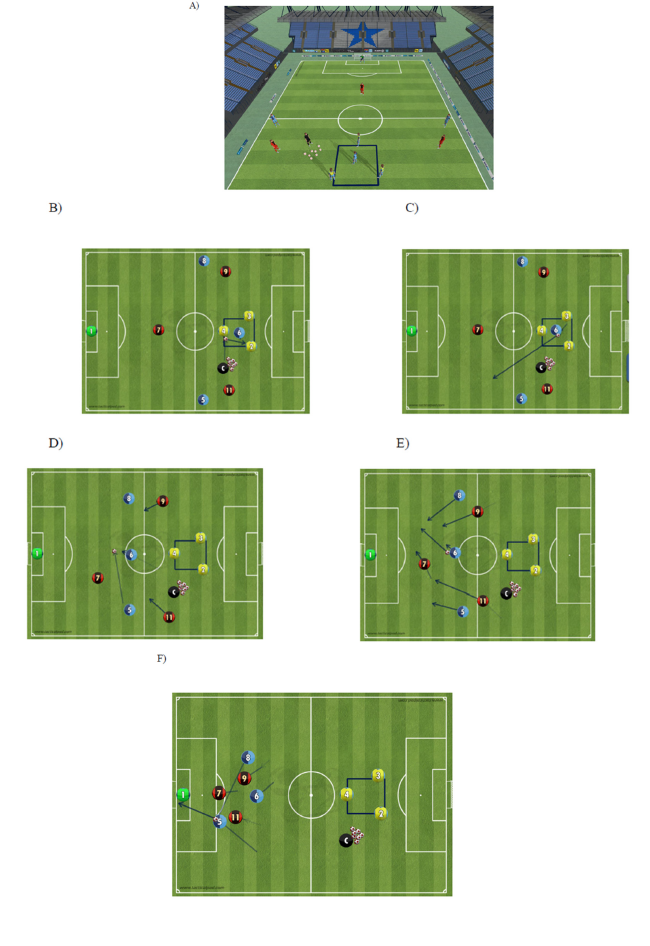

Figure 2:VR goggles used during an ACL rehabilitation.
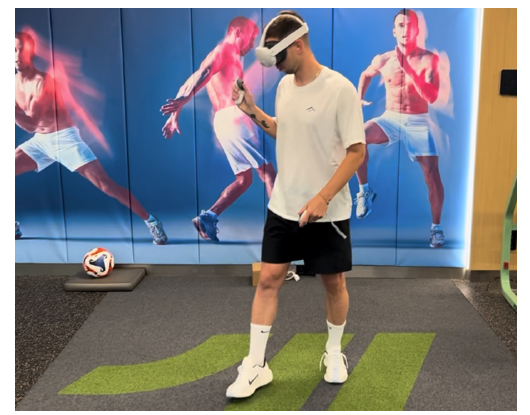

Figure 3:Virtual reality applications used to improve cognitive skills: A) Inhibition & eye-hand coordination; B) Scanning ability & reaction.
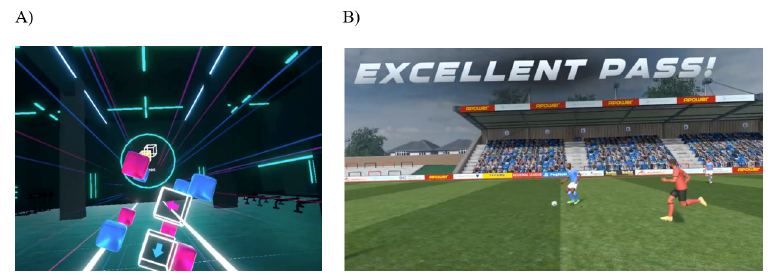

Table 4:Examples of integrated objectives during the Visual-Cognitive Control-Chaos Continuum (VC-CCC).

Blood Flow Restriction and Ischemic Preconditioning

Blood Flow Restriction (BFR), first developed in the 1990s, involves the application of external pressure to partially restrict blood flow during low-load exercise [16]. A growing body of evidence indicates that BFR training promotes muscle hypertrophy, strength, peak power, aerobic capacity, recovery and proprioception [17-21]. In addition to physical outcomes, BFR has been associated with enhanced cognitive performance, such as improved cognitive function in elderly populations [22] and increased cognitive flexibility in young athletes [23]. BFR shorts in particular have been shown to be feasible, practical and safe in applied environments [24] (Figure 4a). Importantly, low-load exercise with BFR elicits adaptations comparable to those achieved with high-intensity training [25]. This makes BFR especially relevant in contexts where high mechanical loads are undesirable, such as Anterior Cruciate Ligament (ACL) rehabilitation or in the days immediately before and after competition in soccer [26]. The primary physiological mechanisms underlying BFR include tissue ischemia, which induces metabolic stress, cellular swelling, anabolic hormone upregulation, and increased expression of neurotrophins such as Brain-Derived Neurotrophic Factor (BDNF) [27]. Together, these mechanisms support both physical and cognitive adaptations while reducing joint stress.

Ischemic Preconditioning (IPC) is a BFR method that involves periods of circulatory ischemia, usually 3 to 4 x 5 minutes, followed by circles of reperfusion of similar or shorter duration in the limbs [28]. This approach elicits high hypoxic stress inducing vasodilation, improving muscle blood flow, enhancing oxygen delivery and ultimately positively affecting various exercise performance [29]. Preconditioning efficacy has been widely reported on strength, power and endurance capabilities [30,31]. From a research perspective however, interests should be directed more towards the IPC effect on sensory-motor patterns and muscular coordination in various athletic populations including soccer players. Evidence suggests that IPC might enhance sensory and proprioceptive feedback during physical activity to correct movements and augment its quality. That might ultimately improve physical performance and reduce potential injury risk, which would be considered of high importance in an athletic population [20,21,26].

Virtual Reality: A Novel Technique in Practical Settings

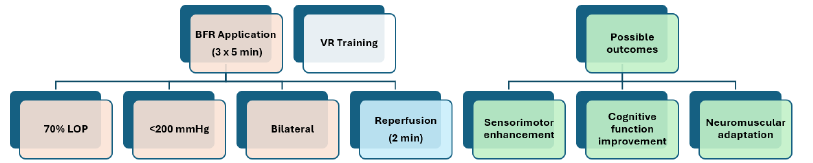
Virtual Reality (VR) provides a computer-generated threedimensional environment accessed through head-mounted displays and motion controllers, creating an immersive sense of presence in virtual space [32]. VR has been applied in both clinical and sporting contexts to enhance motor and sensory function, cognitive processes and perceptual skills, all of which play a critical role in decision-making in team sports [33]. Research has demonstrated that movement patterns and motor control are largely comparable between physical environments and virtual conditions [34]. Furthermore, VR has proven effective in the evaluation and rehabilitation of gait [35], highlighting its potential as both an assessment and training tool. This technique is particularly valuable when physical loading must be limited, for example during injury rehabilitation or recovery phases in a weekly microcycle in soccer [26]. Although BFR and VR have each demonstrated significant promise, no studies to date have examined their combined use in sport [36]. Conceptually, their integration could provide synergistic benefits, enhancing proprioception, motor and cognitive skills, postural control and physiological adaptations such as muscle size, strength and endurance (Figure 4b). A potential protocol (Figure 5) could involve applying BFR at ~70% limb occlusion pressure (LOP; <200mmHg) bilaterally, as recommended by Neal BS et al. [24], for 3 sets of 5 minutes during VR training, interspersed with 2-minute reperfusion periods [21]. This combined approach may augment both sensorimotor and cognitive outcomes while supporting neuromuscular adaptation. Future research should examine this novel paradigm with particular attention to its relevance for soccer performance, rehabilitation and recovery [37].

Figure 4:New training and RTP methods including: A) Blood Flow Restriction (BFR); B) Combined VR and BFR.
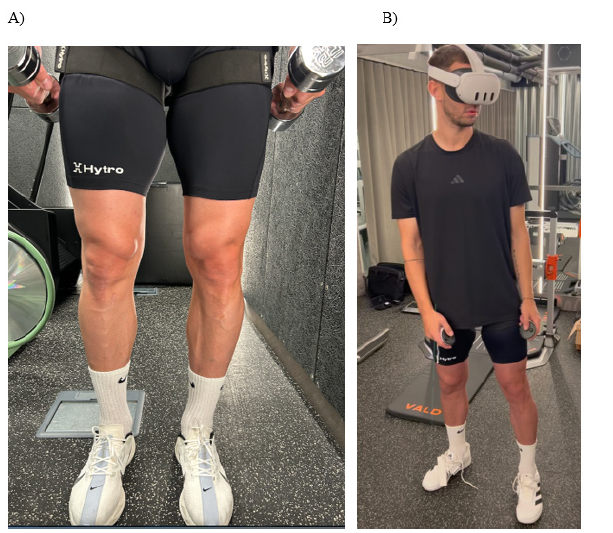

Figure 5:Practical protocol combining blood flow restriction and virtual reality training during rehabilitation and RTP.

Summary and Conclusion

Elite soccer is becoming increasingly demanding, requiring players to produce higher physical outputs while simultaneously making rapid decisions under complex, high-pressure scenarios. These evolving demands place significant strain on neurophysiological capacities, highlighting the need for integrated training approaches that develop physical and technical-tactical skills and visual-cognitive abilities. Such an approach is particularly important for athletes returning from long-term injuries, such as ACL ruptures, where Return-to-Play (RTP) protocols must address both physical rehabilitation and neurocognitive re-adaptation to ensure safe and effective reintegration into competition. Failure to address these cognitive and perceptual components may increase the risk of movement errors and compromise performance.

Emerging technologies provide promising tools to support cognitive development in soccer players. Virtual Reality (VR) offers a low-cost, low-impact method to enhance perception, reaction speed, inhibitory control, eye-hand coordination, scanning ability and visual processing efficiency. VR is particularly advantageous for injured athletes, allowing them to maintain cognitive engagement while minimizing physical stress, thereby facilitating smoother transitions from controlled training environments to on-pitch performance. Additionally, VR-based applications can complement conventional gym- and field-based training routines, providing a powerful adjunct for players at all ages and competitive levels. Furthermore, the integration of VR with Blood Flow Restriction (BFR) training may amplify cognitive and neurophysiological adaptations by combining perceptual-cognitive engagement with physiological stimulation. This synergistic approach may represent potentially a promising tool for rehabilitation and performance enhancement, particularly during periods when high-intensity physical training is not feasible. Systematic research is warranted to explore the efficacy, optimal protocols and long-term benefits of this combined methodology.

From a practical approach, coaches and performance staff could incorporate technology-enhanced cognitive drills alongside traditional physical conditioning, ensuring training scenarios replicate the attacking and defending demands of competition. Exercises should challenge decision-making, attention and perception under realistic constraints, while progression should be tailored to each player’s injury status and readiness. Integrating VR and BFR into structured RTP programs may accelerate cognitivemotor re-integration, enhance tactical awareness and reduce the likelihood of re-injury, ultimately supporting safer and more effective preparation for elite match play.

Key Takeaways

A. Cognitive skills training should focus on perception, anticipation, decision-making and rapid reaction.
B. Divided and selective attention should be trained in practical settings.
C. Virtual Reality (VR) provides low-cost, low-impact cognitive training.
D. VR enhances cognitive skills and could facilitate smoother transition from controlled environments to on-pitch performance.
E. BFR can be combined with VR to potentially enhance neurophysiological and cognitive adaptations in addition to well-established physiological benefits.
F. Athletes could perform VR-based training while applying BFR at ~70% of limb occlusion pressure (<200mmHg), structured as 3 × 5-minute bouts with 2-minute reperfusion periods.
G. BFR can be useful when high-intensity physical training is not feasible (e.g., during injury rehabilitation or when fatigued).

Practical Implications

a) Design drills that replicate attacking and defending scenarios relevant to player positions.
b) Progress training based on injury status, readiness and competitive demands.
c) Integrate VR + BFR to potentially accelerate cognitivemotor re-integration and reduce re-injury risk.

References

    1. Bortnik L, Bruce-Low S, Burger J, Alexander J, Harper D, et al. (2023) Transitional activities in elite football: Frequency, type, effect on match outcome and the novel concept of clusters. RISM 9(5): 872-886.
    2. Bradley PS (2024) 'Setting the benchmark' part 2: Contextualising the physical demands of teams in the FIFA world cup Qatar 2022. Biol Sport 41(1): 271-278.
    3. Harper DJ, Sandford GN, Clubb J, Young M, Taberner M, et al. (2021) Elite football of 2030 will not be the same as that of 2020: What has evolved and what needs to evolve? Scand J Med Sci Sports 31(2): 493-494.
    4. Neto T, Sayer T, Theisen D, Mierau A (2019) Functional brain plasticity associated with ACL injury: A scoping review of current evidence. Neural Plast 2019: 3480512.
    5. Diekfuss JA, Grooms DR, Hogg JA, Singh H, Slutsky-Ganesh AB, et al. (2021) Targeted application of motor learning theory to leverage youth neuroplasticity for enhanced injury-resistance and exercise performance: Optimal prep. J Sci Sport Exerc 3(4): 17-36.
    6. Marques JB, Sideris V, Whiteley R, Read PJ, Gomes MM, et al. (2025) Wearable technology identifies differences in change of direction kinetics and kinematics in soccer players with a history of anterior cruciate ligament reconstruction. Knee Surg Sports Traumatol Arthrosc, pp. 1-13.
    7. Chaput M, Simonm J, Taberner M, Grooms DR (2024) From control to chaos: Visual-cognitive progression during recovery from ACL reconstruction. J Orthop Sports Phys Ther 54(7): 431-439.
    8. Oberauer K (2019) Working memory and attention-a conceptual analysis and review. J Cogn 2(1): 36.
    9. Desimone R, Duncan J (1995) Neural mechanisms of selective visual attention. Annu Rev Neurosci 18: 193-222.
    10. Ward SH, Pearce A, Bennell KL, Pietrosimone B, Bryant AL (2016) Quadriceps cortical adaptations in individuals with an anterior cruciate ligament injury. Knee 23(4): 582-587.
    11. Soltanabadi S, Minoonejad H, Bayattork M, Seyedahmadi M (2023) Effect of virtual reality and augmented reality training for injury prevention and accelerating rehabilitation of anterior cruciate ligament injury in athletes: A scoping review. Asian J Sports Med 14(4): 1-19.
    12. Dixon B, Alexander J, Harper D (2025) 'Post-rehabilitation phase' in professional football: Are we optimising player support after return to play? Br J Sports Med 59(9): 625-627.
    13. Bortnik L, Bruce-Low S, Burger J, Alexander J, Harper D, et al. (2024) Physical match demands across different playing positions during transitional play and high-pressure activities in elite soccer. Biol Sport 41(2): 73-82.
    14. Bortnik L (2024) Physical demands during contextualised peak intensity periods: Analysis of transitional play, high-pressure activities and 30-second worst-case scenarios in elite football. University of Lancashire, Preston, UK.
    15. Taberner M, Allen T, O'keefe J, Chaput M, Grooms D, et al. (2025) Evolving the control-chaos continuum: Part 1-translating knowledge to enhance on-pitch rehabilitation. J Orthop Sports Phys Ther 55(2): 78-88.
    16. Cunniffe B, Sharma V, Cardinale M, Yellon D (2017) Characterization of muscle oxygenation response to vascular occlusion: Implications for remote ischaemic preconditioning and physical Performance. Clin Physiol Funct Imaging 37(6): 785-793.
    17. Arriel R, Rodrigues J, Souza H, Meireles A, Leitão LF, et al. (2020) Ischemia-reperfusion intervention: From enhancements in exercise performance to accelerated performance recovery-a systematic review and meta-analysis. Int J Environ Res Public Health 17(21): 8161.
    18. Bennett H, Slattery F (2019) Effects of blood flow restriction training on aerobic capacity and performance: A systematic review. J Strength Cond Res 33(2): 572-583.
    19. May AK, Russell AP, Gatta PA, Warmington SA (2022) Muscle adaptations to heavy-load and blood flow restriction resistance training methods. Front Physiol 13: 837697.
    20. Wu J, Zhang P, Zhang Y, Su Y, Shi Y, et al. (2025) Ischemic Preconditioning (IPC) enhances the accuracy and stability of proprioception. Appl Sci 15(14): 7941.
    21. Patterson SD, Hughes L, Warmington S, Burr J, Scott BR, et al. (2019) Blood flow restriction exercise: Considerations of methodology, application and safety. Front Physiol 10: 533.
    22. Kargaran A, Abedinpour A, Saadatmehr Z, Yaali R, Amani-Shalamzari S, et al. (2021) Effects of dual-task training with blood flow restriction on cognitive functions, muscle quality and circulatory biomarkers in elderly women. Physiol Behav 239: 113500.
    23. Liu X, Xiao J, Chen H (2025) Effects of blood flow restriction training on cognitive flexibility in adolescent volleyball players. Percept Mot Skills 132(5): 1149-1168.
    24. Neal BS, McManus CJ, Bradley WJ, Leaney SF, Murray K, et al. (2023) The feasibility, safety and efficacy of lower limb garment-integrated blood flow restriction training in healthy adults. Phys Ther Sport 60: 9-16.
    25. Kim D, Singh H, Loenneke JP, Thiebaud RS, Fahs CA, et al. (2016) Comparative effects of vigorous-intensity and low-intensity blood flow restricted cycle training and detraining on muscle mass, strength and aerobic capacity. J Strength Cond Res 30(5): 1453-1461.
    26. Clarkson MJ, Scott BR, Patterson SD, Damasceno SO, Junior EP, et al. (2022) Virtual reality-based therapy associated with blood flow restriction in older adults: A proposal for integration of techniques. Front Physiol 13: 958823.
    27. Clarkson MJ, Scott BR, Patterson SD, Warmington SA (2025) Blood flow restriction exercise in high-performance sport settings: A practitioner survey. J Sports Sci 43(19): 2133-2144.
    28. Schiffer T, Schulte S, Sperlich B, Achtzehn S, Fricke H, et al. (2011) Lactate infusion at rest increases BDNF blood concentration in humans. Neurosci Lett 488(3): 234-237.
    29. Clarkson MJ, Conway L, Warmington SA (2017) Blood flow restriction walking and physical function in older adults: A randomized control trial. J Sci Med Sport 20(12): 1041-1046.
    30. Groot PC, Thijssen DH, Sanchez M, Ellenkamp R, Hopman MT (2010) Ischemic preconditioning improves maximal performance in humans. Eur J Appl Physiol 108(1): 141-146.
    31. Novaes J, Telles LG, Monteiro ER, Araujo G, Vingren JL, et al. (2021) Ischemic preconditioning improves resistance training session performance. J Strength Cond Res 35(11): 2993-2998.
    32. Patterson SD, Bezodis NE, Glaister M, Pattison JR (2015) The effect of ischemic preconditioning on repeated sprint cycling performance. Med Sci Sports Exerc 47(8): 1652-1658.
    33. Faure C, Limballe A, Bideau B, Kulpa R (2020) Virtual reality to assess and train team ball sports performance: A scoping review. J Sports Sci 38(2): 192-205.
    34. Jia Y, Zhou X, Yang J, Fu Q (2024) Animated VR and 360-degree VR to assess and train team sports decision-making: a scoping review. Front Psychol 15: 1410132.
    35. Gérin-Lajoie M, Ciombor DM, Warren WH, Aaron RK (2010) Using ambulatory virtual environments for the assessment of functional gait impairment: A proof-of-concept study. Gait Posture 31(4): 533-536.
    36. Gérin-Lajoie M, Richards CL, Fung J, McFadyen JB (2008) Characteristics of personal space during obstacle circumvention in physical and virtual environments. Gait Posture 27(2): 239-247.
    37. Wu J, Qiu P, Lv S, Chen M, Li Y (2024) The effects of cognitive-motor dual-task training on athletes' cognition and motor performance. Front Psychol 15: 1284787.

    https://crimsonpublishers.com/rism/fulltext/RISM.000765.php

    Publishers: https://crimsonpublishers.com/

    For more articles in Research & Investigations in Sports Medicine

    Please click on below link: https://crimsonpublishers.com/rism/


  • Friday, April 29, 2022

    On the Road to Recovery: Do I/D Polymorphisms in the ACE Gene have a Part to Play?_Crimson Publishers

    On the Road to Recovery: Do I/D Polymorphisms in the ACE Gene have a Part to Play? by Jan Adamczyk in Research & Investigations in Sports Medicine_Open Access Journal of Sports Medicine


    Abstract

    The serum angiotensin converting enzyme (ACE) level in individuals with a DD genotype is two-fold higher than those with an II genotype. The DD genotype is correlated with a higher risk of cardiovascular diseases, lower adaptability to hypoxic conditions, as well as lower cardio-respiratory capacity. The aim of the study was to examine the role of I/D polymorphisms in the ACE gene in surgical patients vs. healthy, active individuals. Two groups were investigated in the study: 91 surgical patients and 39 physically active controls. The level of adaptation to physical stress, compensating processes, and sense of well-being of participants were determined with subjective and objective inferential methods. Additionally, the represented ACE gene polymorphism was evaluated using molecular analyses.

    The role of the DD vs. II genotype is unclear in healthy, active individuals. Whilst in patients who regularly participated in sport accrued shorter hospital stay time (P = 0.04). The type of surgery performed significantly affects patients’ time to convalescence (P = 0.03). Patients’ time in hospital after oncological surgeries is longer, regardless of whether chemotherapy was received or not. Based on the collected data, it was not possible to indicate a common genotype predisposing resistance to physical stress in both examined groups, with no statistically significant correlation between the ID polymorphism of ACE gene in either group. However, the noted tendencies may suggest a role of allele I and II genotypes in patient convalescence and as such, necessitates further investigation.

    Keywords: Genotype; Maximal intensity effort; Climbers; Surgical patients

    Introduction

    Since 1923, maximal oxygen uptake (V̇O2max) has referred to the oxygen uptake attained during maximal intensity exercise that could not be increased despite further exercise workload increments, thereby defining the limits of the cardio respiratory system. Surgical intervention requires the human body to undergo high physical stress, including hypoxia, which influences tissue regeneration after surgery as a consequence of an oxygen delivery versus consumption mismatch that occurs when cell proliferation exceeds neoangiogenesis [1]. Hypoxia inhibits, or even prohibits, continuing physical and intellectual activity during and post-surgical interventions, contributing to the prolongation of tissue recovery and patient’s general convalescence. Interestingly, in Rossetti et al. [2], physically active individuals, with greater sea-level fitness levels, reported less strenuous effort during simulated and actual physical activities, had better mood levels (less fatigue), and chose a higher step rate during perceptually regulated exercise, and did not suffer from any worsened arterial oxygen desaturation. Comparatively, surgical patients with acceptable levels of endurance performance are shown to recover, relatively better, are discharged home earlier, and return to their daily activities sooner than patients with low levels [3].

    The capacity to perform endurance exercise and, consequently, physical resistance is asserted to be genetically conditioned [4]. Genetic factors have an essential influence over components of the athletic performance such as elite athlete status [5], some of motor skills [6], endurance [7], maximal oxygen uptake [8-10], increased risk of injurence [11], resistance to pain [12] or determinants of aggression in sport [13] and other phenotypes.

    Among 200 single nucleotide polymorphisms (SNP) associated with physical performance, the angiotensin-converting enzyme (ACE) gene is one of most frequently investigated [14]. The ACE converts angiotensin I to angiotensin II. This entails blood vessels narrowing in diameter, and results in increased blood pressure. Functionally, the most significant is intron 16 of the human ACE gene (location: 17q23.3) where a 287 bp Alu sequence insertion fragment (I allele) and deletion fragment (D allele) were recognized [15]. Significant differences between genotypes II and DD were observed in terms of blood pressure. The ACE gene is the most intensively examined gene in view of athletic performance, especially endurance performance, particularly given the importance of blood pressure during prolonged and intense exercise [16]. Allele I is overrepresented among active individuals who practice endurance sports [17].

    Whether healthy and active, or suffering through ill-health, the interest among both populations for recovery, fitness and adaptation is of paramount importance [18]. The serum ACE level in individuals with a DD genotype is two-fold higher than those with an II genotype and is correlated with a higher risk of cardiovascular diseases, lower adaptability to hypoxic conditions, as well as lower cardio-respiratory capacity, it was therefore postulated that the existence of the II, DD or ID polymorphism may be associated with outcome and recovery in both populations. The aim of the study was to examine the role of I/D polymorphisms in the ACE gene

    Methods

    The study sample comprised surgical patients and physically active controls (described below) andwas conducted in accordance with the Declaration of Helsinki. The physically active group consisted of 39 male and female volunteers, ranging from professional climbers (ascended over 7000m) and recreational athletes, all of which met national physical activity guidelines. The group of patients underwent gastrointestinal surgeries and comprised 91 men and women of varied health status, aged 28 to 84 years. They were subdivided into 36 non-oncological surgery patients subjected to “medium” surgical procedures (cholecystectomy, stoma reversal, thyroid resection), and to “big” surgical procedures (colectomy, digestive tract reconstruction, adrenalectomy); and 55 oncological patients subjected to digestive tract tumor surgeries, who spent more time in hospital, and whose surgical procedures were more advanced and extensive. Additionally, 29 patients also underwent chemotherapy.

    The study consisted of two parts: molecular analysis, and analysis of participants’ health status and well-being, pre and post-surgery and physical activity, respectively. All participants gave their full written and informed consent to take part in the study. Participants’ health status, fatigue level, and existing medical conditions and symptoms were evaluated using self-report questionnaires, whilst patients’ course of post-operative recovery was analyzed in detail. The buccal cells were donated by participants with the use of sterile foam-tipped applicators (Puritan, USA). DNA was extracted using a GenElute Mammalian Genomic DNA Miniprep Kit (Sigma, Germany) according to the manufacturer’s protocol. The samples were genotyped in duplicate. PCR amplification of the polymorphic region of the ACE gene containing either an insertion (I) or deletion (D) fragment was performed using a T100™ Thermal Cycler (Bio-Rad, Germany) instrument. One pair of primers (forward: CTG GAG ACC ACT CCC ATC CTT TCT, and reverse: GAT GTG GCC ATC ACA TTC GTC AGA) was used to determine the ACE genotype, yielding amplification products of approximately 490bp (for allele I) and 190bp (for allele D). PCR mixture and thermal-time profile were coequal as described by Cięszczyk et al. [17]. The amplified DNA fragments were visualized by using 1.5% agarose gels stained with ethidium bromide.

    All statistical calculations were made with the use of the SAS® ver. 9.3 software package (2013). The significance of experimental factors was determined with a multifactorial analysis of covariance according to the following linear models: for mountaineers yijkm = si + aj +mk + gl + eijklm, where: yijkm- value of the analyzed trait, si - fixed effect of sex (i = 1,2), aj- fixed effect of age (j = 1,2), mk- fixed effect of mountaineer class (k = 1,2), gl- fixed effect of genotype/polymorphism (l = 1,2,3), eijklm - random error; and for patients yijkmno = si + aj + zk + cl + pm + gn+ eijklmno, where: yijkmnop - value of the analyzed trait, si - fixed effect of sex (i = 1,2), aj- fixed effect of age (j = 1,2), zk - fixed effect of surgery type (k = 1,2), cl - fixed effect of chemotherapy treatment, pm - fixed effect of sport class (m = 1,2,3,4,5), gl- fixed effect of genotype/polymorphism (l = 1, 2, 3), eijklm - random error. Post-hoc Tukey test’s for multiple comparisons were used to compare means for the items.

    Results

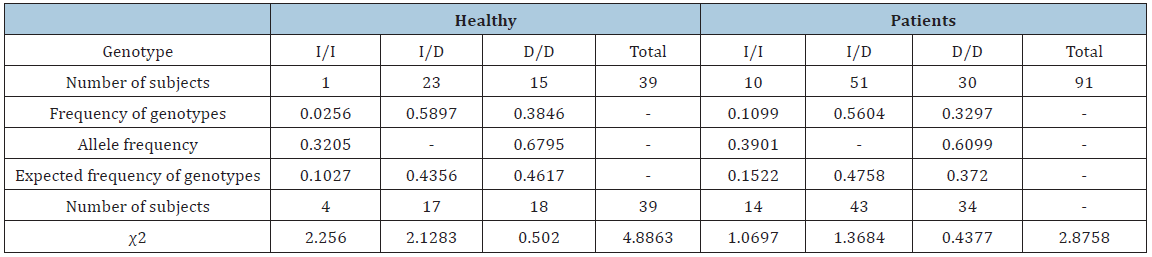
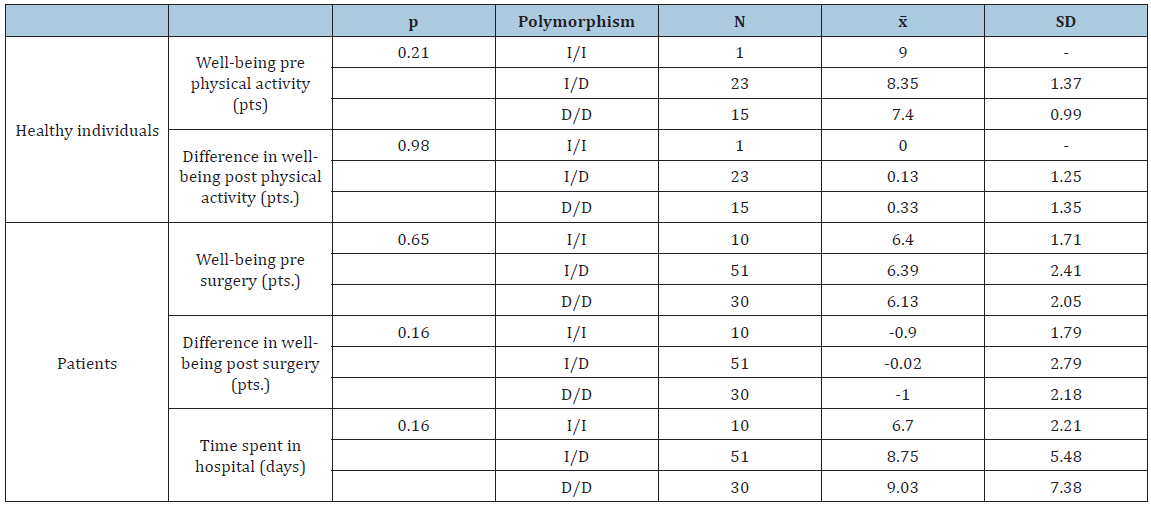
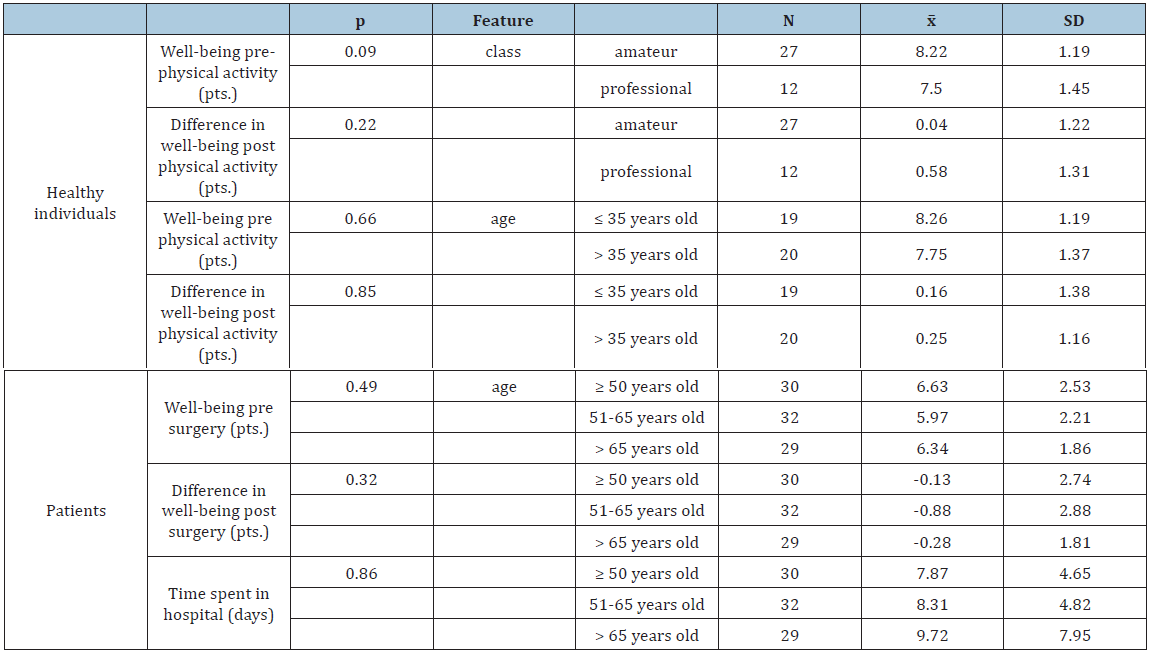
    The investigated polymorphism conformed to the Hardy-Weinberg equilibrium. A distribution of the genotypes and alleles in physically active individuals and patients is shown in Table 1. The ACE gene polymorphism was not shown to significantly affect well-being pre or post physical activity (Table 2). However, in the case of individuals with genotype II, well-being did not deteriorate post physical activity, while the tendency for well-being to decline was the highest for genotype DD. Neither class (amateur/professional) nor age (under or over 35 years) significantly affected well-being pre or post physical activity (Table 3).

    Table 1:Distribution of genotypes and alleles in healthy individuals and patients.

    Table 2:Comparative analysis between polymorphisms and participants’ well-being.

    Table 3:Comparative analysis of well-being, and patients’ convalescence.

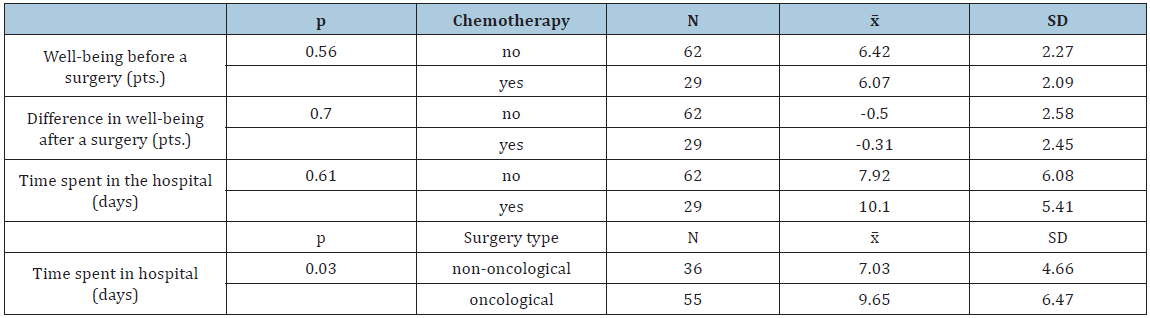
    The ID genotype in the ACE had no significant effect on the patients’ time spent in hospital (P>0.05; Table 2). However, time to convalescence following a surgical procedure was the shortest in patients with genotype II, and the longest in patients with genotype DD. Furthermore, patients with genotype DD did not endure surgeries as well as those with genotype II, and their well-being deteriorated to a greater extent post-surgery compared with well-being pre-surgery. The type of surgery had a significant impact on convalescence (Table 4). Time spent in hospital after oncological surgeries was shown to be longer than after non-oncological surgeries, irrespective of whether chemotherapy was administered. Patients’ age did not significantly affect time spent in hospital or well-being (Table 3). However, older patients required more time for convalescence and home discharge, and their well-being also deteriorated to a greater extent post- surgery. It was also observed that the greater frequency with which patients practiced sports, the shorter their hospital admittance (Table 5). Furthermore, physically active patients had a better well-being post-surgery than patients doing no sports.

    Table 4:Comparative analysis of patients’ convalescence time, well-being, administration of chemotherapy, and surgery type.

    Table 5:Comparative analysis of patients’ convalescence time, well-being, and sport participation level.

    Discussion

    The main finding of this study is that patients who are more physically active and practice sports regularly, stay for a shorter time in hospital, post-surgery (p = 0.04). Secondly, Occurrence of allele I remained invariant between participants with high or low levels of well-being. It is asserted that certain genetic factors may influence physical performance [11]. The D/I polymorphism of the ACE gene has been extensively studied for its association with diseases and physical performance. The ACE gene, by affecting the regulation of the heart and circulatory system function, is unequivocally important for the performance of endurance exercises at high intensity [19].

    Professional or high-level sporting performance is, often, associated with a high V̇O2max, and is often positively correlated with the presence of allele I in the ACE gene [20]. Moreover, individuals with genotype II in the ACE gene were found to experience low blood pressure, which positively affects their endurance performance during prolonged and intense exercise [15]. The efficacious function of the cardiopulmonary system is necessary for both healthy individuals and post-surgery recovery [3].

    Our study did not find a statistically significant relationship between the presence of allele I in the ACE gene and physical fitness and well-being post physical activity or surgical intervention, respectively. Similarly, Oelz et al. [21] also noted no effects of the polymorphism on their participants’ performance; whilst Rankinen et al. [4] noted a significant association of V̇O2max with genotype DD, but not with genotype II [5]. Elevated ACE was noted in deletion homozygotes in the cardiac muscle and the circulatory system in elite athletes [22]. This is related to a higher level of conversion of angiotensin I into angiotensin II, which in turn contributes to the growth of cardiomyocytes and fibroblasts. An increase in the strength of skeletal muscles and the cardiac muscle (increased mass of the left ventricle) has been demonstrated in individuals with DD and DI genotypes in the ACE gene than in individuals with genotype II in response to physical exercise during military training [16]. Other authors also observed that allele D was associated with greater strength, muscle volumes, a higher percentage of fast-twitch muscle fibers [23]. This was confirmed by a study of short-distance swimmers in whom allele D was present more often than in a sedentary control group [24].

    The adaptation of the circulatory system to high altitudes involves decreased maximal cardiac output and stroke volume. Maximal aerobic capacity is essentially determined by the matching of convective and diffusion oxygen transport systems, which can be modulated by specific pulmonary vasodilating interventions [25]. Allele D of the ACE gene was also shown to deleteriously affect heart rate, blood pressure, and arterial oxygen saturation [25]. Charu et al. [26] noted that the D/D and D/I genotypes occurred often in individuals susceptible to high altitude pulmonary edema (HAPE), and in turn, allele I was present in individuals resistant to HAPE. In a study of residents living at elevations of above 3400m, the occurrence of allele I was found to be significantly higher in inhabitants of high-altitude rather than low-altitude environments. These results indicate that the overrepresentation of the ACE gene may be a factor playing a fundamental role in high-altitude adaptation [27]. Notwithstanding, the DD polymorphism is associated with higher oxygen uptake, periventricular leukomalacia, or intraventricular hemorrhage [28].

    An Insertion polymorphism can be also associated with a higher risk of coronary heart disease and left ventricular hypertrophy [29], whilst the presence of allele I also seems to prevent pathologies in the body by reducing the prevalence of the so-called metabolic syndrome, i.e. a clustering of risk factors associated with developing cardiovascular disease. Signs of metabolic syndrome include insulin resistance and hypertension, which decrease following the use of ACE inhibitors. Further, the DD polymorphism was shown to occur more often in women with arterial hypertension and with recognized metabolic syndrome [30].

    Adaptability was confirmed where the mean muscle fiber cross-sectional area was significantly smaller and the number of capillaries per unit cross-sectional area was significantly greater in individuals with I/I genotype, which enables more efficient oxygen transport and nutrition of muscles [21]; thereby enabling more effective use of energy substrates, and adaptation of glucose catabolism enzymes [30]. Efficacious transport of nutrients and oxygen to the muscle in individuals with the I/I genotype during prolonged physical exercise may not only be exclusively associated with the efficiency of oxygen supply to skeletal muscles via the circulatory system; allele I of the ACE gene likely determines to a greater degree the induction of post-exercise responses leading to a quick attainment of homeostasis [31]. The increased effectiveness of these biochemical processes at the cellular level rationalizes the storage of other energy substrates in the body, in particular glycogen stores [16]. A study of resistance to local exercise by I/I genotype individuals highlighted that participants performed more weightlifting repetitions (using elbow flexors) [16]; indicating a positive effect of local changes on individuals with genotype I/I, not just merely on their endurance performance levels attained as a function of their more efficient cardiovascular system [24]. It has been asserted that allele I may have a positive influence on aerobic endurance, most likely manifest through local muscle performance, opposed to the central circulatory system [24]. Whilst Oelz et al. [21] noted that the presence of genotype I/I in the ACE gene may not only be relevant to the functioning of cardiovascular system, but also for aerobic and respiratory factors.

    Apart from ACE, other components of the renin-angiotensin system (AGT, AGTR1, CYPR11B) have been investigated [31]. The RAS component hormones found in many human body organs, e.g. heart, kidneys, brain, and body fat, are significant for control of gene expression and cell growth. Their activation may contribute to high blood pressure, obesity, diabetes, and dyslipidemia [30], i.e. medical conditions necessitating prolonged hospitalization. It was also indicated that, in individuals resistant to physical stress, allele I co-occurs exclusively with the ET-1 genotype [26]. Furthermore, a positive correlation has been highlighted between the ACE D polymorphism and AGT 235M [25], whilst a correlation between ACE (A240T) with high-altitude pulmonary edema [32], as well as with I/D polymorphism, have been noted [33]. Due to equivocal nature of empirical studies to date, it would be highly desirable to carry out further research into genotypes of professional and amateur athletes, and, in particular, surgical patients to investigate the mechanisms of exercise/surgical tolerance, recovery, and responses to high physical stress and hypoxia.

    Limitations

    Although during the course of this study we performed detailed molecular and qualitative analyses, there are further data that could be collected in future studies to supplement existing measures, such as oxygen saturation or uptake, heart function, and blood pressure. This would permit a greater understanding of the physiological responses to both surgery and healthy individuals, notwithstanding issues of feasibility; this was not the primary aim of the study. A further limitation of this study was the use of self-report modalities to ascertain physical activity level and well-being, nevertheless, both constructs are routinely collected using such methods in clinical practice and epidemiological research. The authors would, however, recommend that objective measure of physical activity [34] being scrutinized in greater detail in future studies [35].

    Based on the collected data, it was not possible to indicate a common genotype predisposing resistance to surgery or physical activity, with no statistically significant correlation between the ID polymorphism of ACE gene in either group. However, in the patient group, physical activity was conducive to shorter time to convalescence, and should be considered by clinicians and other key stakeholders in the management of such patients.

    References

    1. Challapalli A, Carroll L, Aboagye EO (2017) Molecular mechanisms of hypoxia in cancer. Clin Transl Imaging 5(3): 225-253.
    2. Rossetti GMK, Macdonald JH, Smith M, Jackson AR, Callender N, et al. (2017) MEDEX 2015: Greater sea-level fitness is associated with lower sense of effort during himalayan trekking without worse acute mountain sickness. High Alt Med Biol 18(2): 152-162.
    3. Hui D, Elsayem A, Palla S, De La Cruz M, Li Z, et al. (2010) Discharge outcomes and survival of patients with advanced cancer admitted to an acute palliative care unit at a comprehensive cancer center. J Palliat Med 13(1): 49-57.
    4. Rankinen T, Bray MS, Hagberg JM, Pérusse L, Roth SM, et al. (2006) The human gene map for performance and health-related fitness phenotypes: the 2005 update. Med Sci Sports Exerc 38(11): 1863-1888.
    5. Żmijewski P, Cięszczyk P, Ahmetov Ildus I, Gronek P, Lulińska-Kuklik E, et al. (2018) The NOS3 G894T (rs1799983) and-786T/C (rs2070744) polymorphisms are associated with elite swimmer status. Biol Sport 35(4): 313-319.
    6. Karpowicz K, Krych K, Karpowicz M, Gronek P (2018) The relationship between CA repeat polymorphism of the IGF-1 gene and the structure of motor skills in young athletes. Acta Bioch Pol 65(1): 43-50.
    7. Gronek P, Gronek J, Lulińska-Kuklik E, Spieszny M, Niewczas M, et al. (2018) Polygenic study of endurance-associated genetic markers NOS3 (Glu298Asp), BDKRB2 (-9/+9), UCP2 (Ala55Val), AMPD1 (Gln45Ter) and ACE (I/D) in polish male half marathoners. J Hum Kinet 64(1): 87-98.
    8. Holdys J, Gronek P, Kryściak J (2013) Genetic variants of uncoupling proteins-2 and-3 in relation to maximal oxygen uptake in different sports. Acta Bich Bol 60(1): 71-75.
    9. Gronek P, HoldysJ, Kryściak J, Stanisławski D (2013) CKM Gene G (Ncoi-) Allele has a positive effect on maximal oxygen uptake in caucasian women practicing sports requiring aerobic and anaerobic exercise metabolism. J Hum Kinet 39(1): 137-145.
    10. Gronek P, Holdys J, Kryściak J, Wieliński D, Słomski R (2014) Maximal oxygen uptake is associated with allele-202 A of insulin-like growth factor binding protein-3 (IGFBP3) promoter polymorphism and (CA)(n) tandem repeats of insulin-like growth factor IGF1 in Caucasians from Poland. Acta Bioch Pol 61(2): 245-252.
    11. Cięszczyk P, Willard K, Gronek P, Zmijewski P, Trybek G, et al. (2017) Are genes encoding proteoglycans really associated with the risk of anterior cruciate ligament rupture? Biol Sport 34(2): 97-103.
    12. Leżnicka K, Gronek P, Kurzawski M, Cięszczyk P, Malinowski D, et al. (2018) Is pain tolerance in boxers altered by nucleotide polymorphism rs6746030 in the SCN9A gene? Arch Budo 14: 71-78.
    13. Gronek P, Wieliński, D, Gronek J (2015) Genetic and non-genetic determinants of aggression in combat sports. Open Life Sci 10(1): 7-18.
    14. Szalata M, Słomski R, Balkó Š, Balkó I (2019) Advances in athletegenomics in 2019. Trends Sport Sci 2(26): 55-61.
    15. Ahmetov I, Fedotovskaya O (2015) Current Progress in Sports Genomics. Adv Clin Chem 70: 247-314.
    16. Montgomery HE, Marshall R, Hemingway H, Myerson S, Clarkson P, et al. (1998) Human gene for physical performance. Nature 393(6682): 221-222.
    17. Cieszczyk P, Krupecki K, Maciejewska A, Sawczuk (2009) The angiotensin converting enzyme gene I/D polymorphism in Polish rowers. Int J Sports Med 30(8): 624-627.
    18. Halmová N, Kanásová J, Šiška L (2019)Physical fitness and level of body components in the 11-15-year old population in west Slovakia. Trends in Sport Sci 1(26): 21-26.
    19. Nazarov IB, Woods DR, Montgomery HE, Shneider OV, Kazakov VI, et al. (2001) The angiotensin converting enzyme I/D polymorphism in Russian athletes. Eur J Hum Genet 9(10): 797-801.
    20. Myerson S, Hemingway H, Budget R, Martin J, Humphries S, et al. (1999) Human angiotensin I-converting enzyme gene and endurance performance. J Appl Physiol 87(4): 1313-1316.
    21. Oelz O, Howald H, Di Prampero PE, Hoppeler H, Claassenet H, et al. (1986) Physiological profile of world-class high-altitude climbers. J Appl Physiol 60(5):1734-1742.
    22. Rigat B, Hubert C, Alhenc-Gelas F, Cambien F, Corvol P, et al. (1990) An insertion/deletion polymorphism in the angiotensin I-converting enzyme gene accounting for half the variance of serum enzyme levels. J Clin Invest 86(4): 1343-1346.
    23. Charbonneau DE, Hanson ED, Ludlow AT, Delmonico MJ, Hurley BF, et al. (2008) ACE genotype and the muscle hypertrophic and strength responses to strength training. Med Sci Sports Exerc 40(4): 677-683.
    24. Woods D, Hickman M, Jamshidi Y, Brull D, Vassiliou V, et al. (2001) Elite swimmers and the D allele of the ACE I/D polymorphism. Hum Genet 108(3): 230-232.
    25. Buroker NE, Ning XH, Zhou ZN, Li K, Cen WJ, et al. (2010) Genetic associations with mountain sickness in Han and Tibetan residents at the Qinghai-Tibetan Plateau. Clin Chim Acta 411(19-20): 1466-1473.
    26. Charu R, Stopdan T, Ram RB, Khan AP, Qadar Pasha MA, et al. (2006) Susceptibility to high altitude pulmonary oedema: role of ACE and ET-1 polymorphism. Thorax 61(11): 1011-1012.
    27. Droma Y, Hanaoka M, Basnyat B, Arjyal A, Neupane P, et al. (2008) Adaptation to high altitude in Sherpas: association with the insertion/deletion polymorphism in the Angiotensin-converting enzyme gene. Wilderness Environ Med 19(1): 22-29.
    28. Harding D, Dhamrait S, Marlow N, Whitelaw A, Gupta S, et al. (2003) Angiotensin-converting enzyme DD genotype is associated with worse perinatal cardiorespiratory adaptation preterm infants. J Pediatr 143(6): 746-749.
    29. Páll D, Settakis G, Katona E, Zatik J, Kollár J, et al. (2004) Angiotensin-converting enzyme gene polymorphism, carotid intima-media thickness, and left ventricular mass index in adolescent hypertension. J Clin Ultrasound 32(3): 129-135.
    30. Procopciuc LM, Sitar-Tăut A, Pop D, Sitar-Tăut DA, Olteanu I, et al. (2010) Renin angiotensin system polymorphisms in patients with metabolic syndrome (MetS). Eur J Intern Med 21(5): 414-418.
    31. Macarthur DG, North KN (2005) Genes and human elite athletic performance. Hum Gene 16(5): 331-339
    32. Qi Y, Niu W, Zhu T, Zhou W, Qiu C (2008) Synergistic effect of genetic polymorphism of rennin-angiotensin-aldosterone system on high-altitude pulmonary edema: a study from Qinghai-Tibet altitude. Eur J Epidemil 23(2): 143-152.
    33. Zhu X, Bouzekri N, Southam L, Cooper RS, Adeyemo A, et al. (2001) Linkage and association analysis of angiotensin I-converting enzyme (ACE)-gene polymorphism with ACE concentration and blood pressure. Am J Hum Genet 68(5): 1139-1148.
    34. Clark CCT, Nobre GC, Fernandes JFT, Moran J, Drury B, et al. (2018) Physical activity characterization: does one site fit all? Physiol Meas 39(9): 09TR2.
    35. Rankinen T, Wolfarth B, Simoneau JA, Maier-Lenz D, Rauramaa R, et al. (2000) No association between the angiotensin-converting enzyme ID polymorphism and elite endurance athlete status. J Appl Physiol 88(5): 1571-1575.

    For more articles in Open Access Journal of Sports Medicine
    Please click on below link: https://crimsonpublishers.com/rism/

    Visual-cognitive Skills and Physical Qualities in Elite Soccer: Practical Considerations for Training and Return-to-Play Protocols: Crimson Publishers

    Visual-cognitive Skills and Physical Qualities in Elite Soccer: Practical Considerations for Training and Return-to-Play Protocols by Lukasz...